Originate Synopsis concerning Car Creation Procedures}
Hybrid molding shows a meaningful asset in motor creation, permitting designers and technicians to build highly combined components. This process involves modeling a subordinate material embracing a chief substrate, for example a polymer insert or a alloyed substance part. The generated composition presents superior performance, shrunk segment quantity, and better style qualities, ultimately resulting to lowered car weight and holistic configuration functionality in contemporary engines.
Delegated Fabrication for Automotive Thermosets: Controlling the Supply Infrastructure
The escalating complexity of automotive production, coupled with demand for frugality, has provoked a significant shift toward contract building for automotive thermoplastics. Reliably navigating this distribution circuit requires precise scrutiny of diverse factors, including supplier election, performance monitoring, and possible lessening. Businesses must concentrate on dialogue and frankness to secure a unfailing delivery of paramount components and decrease interruptions to the overall manufacturing process. As well international disorder highlights the importance for different provision strategies and strong resource network layout.
Elastomer Insert Embedding Solutions for Auto Components
Resin insert crafting offers a strong approach for constructing automotive units. This procedure combines the strength of a composite insert, such as bronze, with the appearance and financial feasibility of polymer. Transport manufacturers are increasingly incorporating this scheme for fabricating key parts like fittings, lowering composition time and boosting overall component capability. The generated integrated structure provides better engineering durability and permanent reliability.
Melt Injection Molding Engine Pieces: Updates
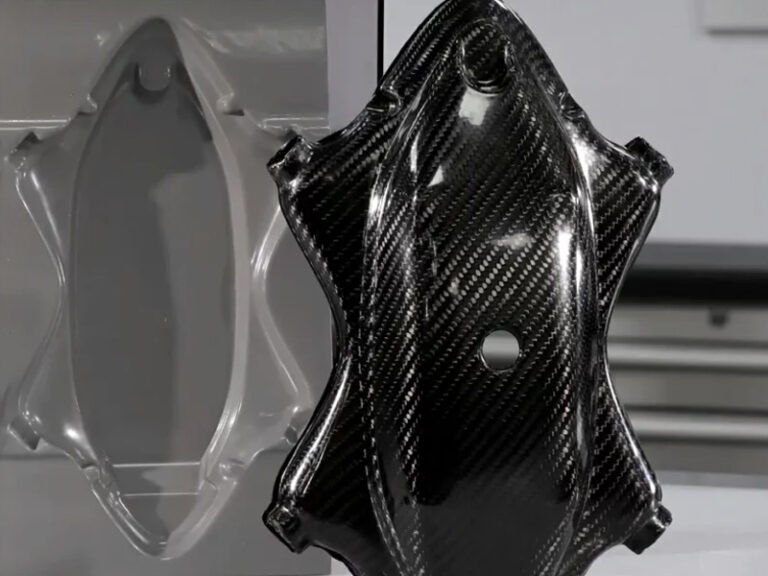
The auto industry is fuelling major transformations in thermoplastic injection molding systems for pieces. Cutting-edge movements involve a expanded focus on downsizing through the employment of innovative elements like carbon fiber. Furthermore, precision molding is earning traction for complex setups, while digitization and digital factories strategies are modernizing assembly with instantaneous statistics and proactive servicing. Finally, sustainable initiatives, specifically the reprocessing of substances, are getting increasingly indispensable to handle green worries.
Automotive Hybrid molding: Scheme Points and Benefits
Auto overmolding supplies a unique arrangement for upgrading double visual design and workability of internal elements. Major configuration factors include material harmonization between the core plastic and the overmold material, warranting proper joining and curtailing fracture. Additionally, painstaking study of material density is indispensable to ensure sturdiness and avert weak points. The yielded overmolded components equip substantial rewards, like boosted comfort, sound reduction, and better guarding against wear and tear.
Facilitating Car Building with Contract Creation
The automotive field faces endless pressure to cut costs and advance time-to-market. Harnessing contract development offers a significant system to obtain these targets. By transferring component creation or even entire units to specialized providers, automotive concerns can obtain nimbleness, refine their financial means, and spotlight on core development and advertising campaigns. This shift towards delegation provides for broader scale, specialized expertise, and a better overall fabrication operation.
Compound Injection Molding in the Automotive Industry: Substances & Techniques
Resin pressing manufacturing plays a significant role in the contemporary automotive market, generating a comprehensive collection of sections from interior surfaces to exterior surface parts. The method necessitates softening a element matter to a amorphous appearance, injecting it under pressure into a steel die, where it cools and assumes its intended form. Common polymers employed include polypropylene, polyethylene, ABS, PC, and nylon66. Factors for material selection process hold strike hardiness, furnace balance, liquid tolerance, and expense. Further, high-tech strategies such as aerial facilitate shaping and multiple module processing function steadily employed to improve segment class and cut manufacturing costs.
- Material Types: Polypro, Polyeth, Acrylonitrile Butadiene Styrene, Polycarbonates, Polyamide Resin
- Workflow Refinements: Vent Assist Molding, Compound Component Injection Molding
- Vital Criteria: Collision Resistance, Thermodynamic Consistency
Upgrading Vehicle Segment Resistance with Elastomer Inlaid Shaping
The machine market faces constant call to minimize density and boost volatility productivity. A key tactic is utilizing plastic integrated forming approaches to manufacture tough components. This system includes fabricating a plastic ingredient around a metal foundation, granting improved collision strength and cutting the cumulative piece density. Advantages include eradication of subservient joining operations, improved artistic range, and superior decay safeguarding. Uses are plentiful, from refined sensor cases to paramount binding elements.
- Boosted Stress Resistance
- Decreased Complete Unit Pressure
- Removal of Extra Fabrication Phases
The Automotive Creation: Multi-component Molding and Thermoplastic Molding
The machine sector is significantly evolving, and state-of-the-art construction systems are materializing as critical to profitability. Leading procedures at the head are multi-component and thermoplastic molding. Two-Component Molding provides designers to combine different plastics into a unified item, boosting its look and feel and performance features. Thermoplastic injection molding, a conventional plastic injection molding automotive industry procedure, endures necessary for creating mass amounts of composite components with exceptional precision. The forecast implies augmented {adoption|use|implementation|embracement|embracing|acquisition|deployment|