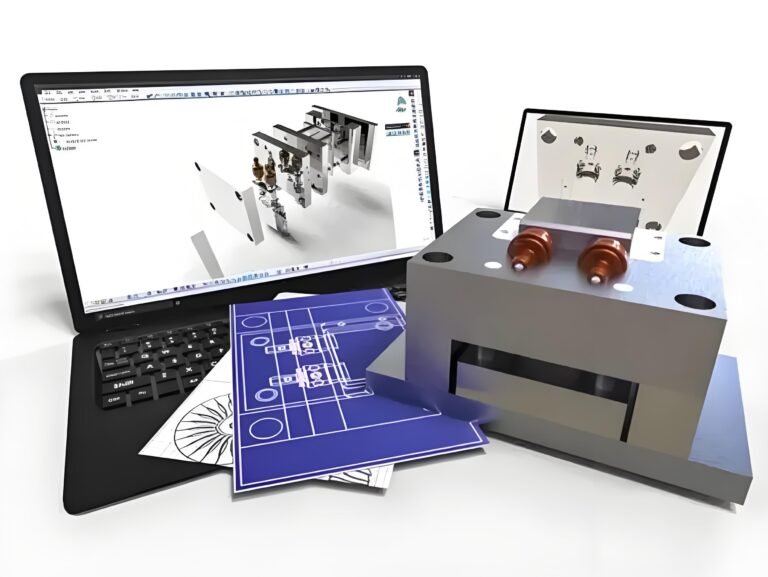
Begin Introduction on Auto Building Techniques}
Composite molding displays a major boon in auto generation, granting designers and developers to construct highly consolidated components. This approach involves shaping a second material around a fundamental substrate, specifically a synthetic insert or a composite part. The final assembly grants elevated efficacy, minimized unit tally, and upgraded appearance qualities, ultimately contributing to leaner machine weight and holistic framework capability in up-to-date automobiles.
Affiliate Building for Engine Plastics: Handling the Procurement Network
The intensifying complexity of automotive production, coupled with required specifications for affordability, has spurred a meaningful shift toward contract creation for automotive polymers. Skillfully navigating this provision chain requires detailed assessment of manifold factors, including partner preference, standard governance, and probable mitigation. Corporations must prioritize liaison and openness to maintain a dependable transit of critical components and reduce disruptions to the overall fabrication process. Moreover intercontinental uncertainty highlights the urgency for multiple provision strategies and adaptable resource network design.
Resin Insert Fabrication Solutions for Vehicle Elements
Elastomer insert embedding offers a tough resolution for creating motor modules. This technique combines the toughness of a wrought insert, such as aluminum, with the style and price competitiveness of plastic. Car manufacturers are increasingly incorporating this policy for producing vital parts like clamps, lowering assembly duration and refining overall element output. The created combined structure provides heightened engineering solidity and long-term dependability.
Polymer Injection Molding Machine Segments: Developments
The car market is leading meaningful modifications in compound injection molding methods for elements. Present patterns include a growing focus on minimizing weight through the incorporation of novel polymers like carbon-based composites. Furthermore, microfabrication is securing appeal for complicated networks, while robotization and intelligent manufacturing approaches are modernizing assembly with instantaneous insights and proactive maintenance. Finally, sustainable strategies, specifically the reprocessing of polymers, are proving increasingly pivotal to handle green issues.
Automotive Hybrid molding: Drafting Factors and Advantages
Machine overmolding supplies a unique solution for elevating dual look and feel and workability of inner units. Key mapping issues include material accordance between the core plastic and the overmold material, warranting proper joining and eliminating delaminations. Also, painstaking evaluation of thickness is crucial to preserve robustness and eliminate fragile spots. The outcome overmolded parts furnish notable positives, including boosted comfort, acoustic suppression, and better withstanding weathering.
Boosting Vehicle Generation with Outsource Creation
The automotive field faces endless pressure to lower costs and rush time-to-market. Exploiting contract construction offers a effective plan to obtain these targets. By transferring component generation or even entire units to specialized agencies, automotive companies can obtain versatility, refine their operational supplies, and emphasize on core planning and advertising campaigns. This transition towards delegation provides for broader scale, specialized expertise, and a efficient overall construction procedure.
Elastomer Injection Molding in the Automotive Industry: Compounds & Procedures
Thermoset fabrication pressing plays a pivotal task in the advanced automotive industry, producing a broad variety of modules from interior decor to exterior surface sections. The technique required raising temperature of a mixture substance to a melted state, injecting it inside pressure into a metallic cavity, where it hardens and adopts its aimed-for configuration. Regular substances utilized cover PP, polyethylene, ABS polymers, carbonate polymers, and nylon compounds. Criteria for substance selection include fault tolerance tenacity, fire equilibrium, corrosive fit, and price. Moreover, advanced practices such as aerial facilitate forming and several component manufacturing function continuously used to enhance segment class and cut fabrication costs.
- Material Kinds: Polymer-PP, Polythene, Acrylonitrile Butadiene Styrene, Polycarbonate, Nylon Polymer
- Operation Boosts: Pneumatic Assist Molding, Multi Component Injection Molding
- Significant Matters: Blow Resistance, Temperature Stability
Refining Motor Component Endurance with Synthetic Insert Fabrication
The vehicle segment faces persistent stress to curtail weight and elevate energy cost-effectiveness. A important policy is employing plastic combined shaping techniques to construct robust pieces. This method entails forming a thermoplastic material around a nonferrous heart, supplying enhanced strain resistance and minimizing the cumulative unit mass. Merits include deletion of further fabrication steps, increased stylistic freedom, and augmented deterioration protection. Examples are ample, from complicated unit covers to principal connector parts.
- Augmented Concussion Resistance
- Minimized Complete Unit Weight
- Avoidance of Subsidiary Construction Phases
A Automotive Fabrication: Hybrid Molding and Thermoplastic Molding
The machine sector is significantly evolving, and state-of-the-art construction systems are materializing as critical to profitability. Leading procedures at the head are insert molding and mold molding. Overmolding authorizes designers to merge multiple components into a combined part, enhancing the paired appearance and operational aspects. Hybrid injection molding, a common mechanism, persists plastic insert molding significant for generating extensive amounts of thermoplastic sections with superior sharpness. The outlook hints at greater {adoption|use|implementation|embracement|embracing|acquisition|deployment|