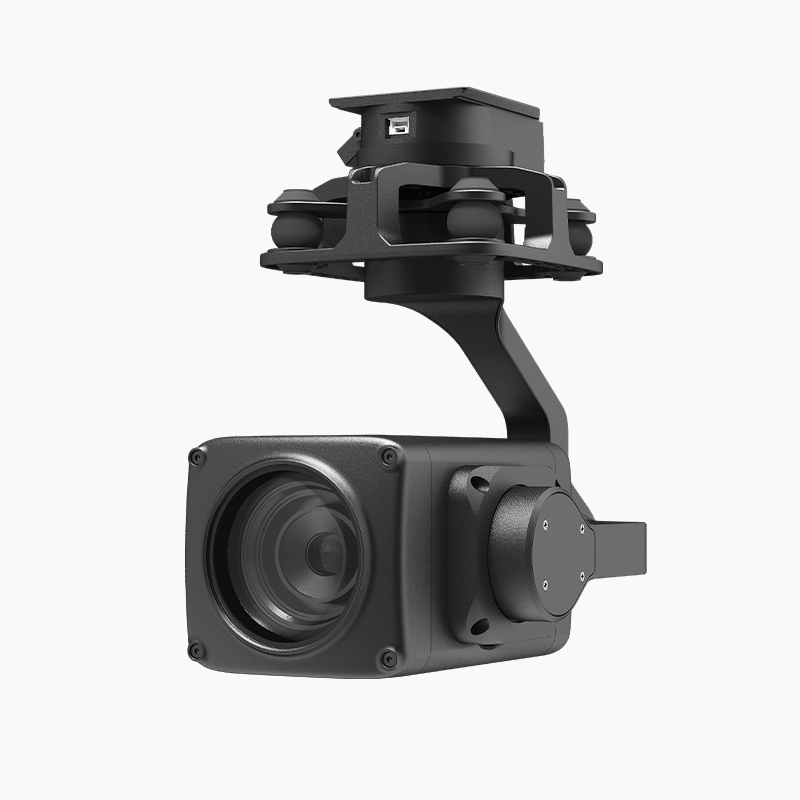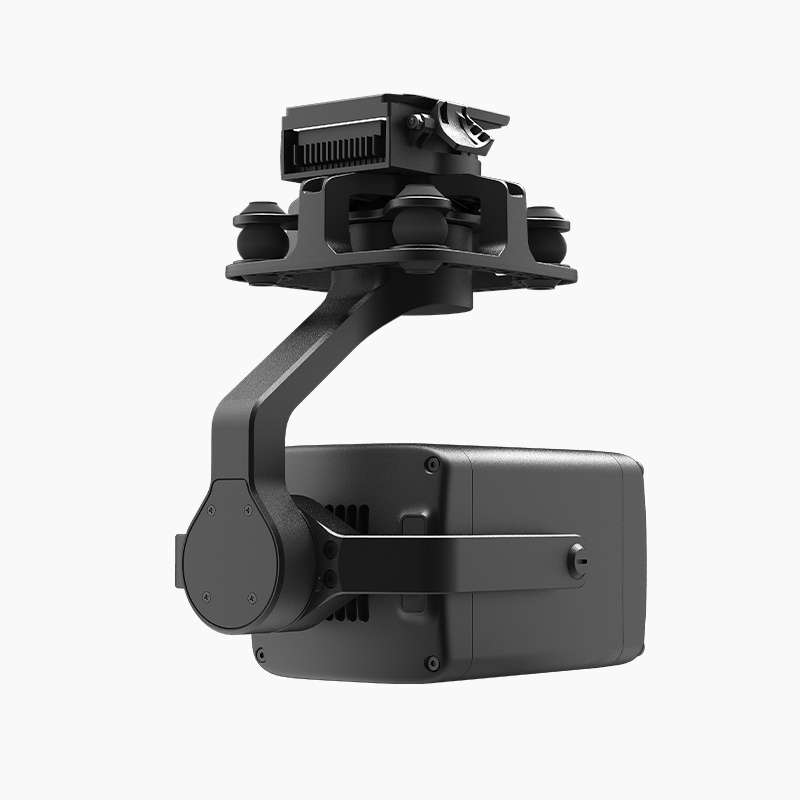
Discover about this in-depth discussion on supporting technology including thermal sensing via remote-controlled units.
Stabilizer Features concerning UAV Video Upgrades
Pilotless craft are enjoying remarkable innovations in camera instruments. Advanced gimbal mounts now grant incredibly fluid footage, even turbulent situations. Furthermore, the fusion of thermal cameras offers novel opportunities for assessment in fields like agriculture, offering valuable details beyond what ordinary light cameras can record. These amalgamated technologies are considerably advancing the domain of aerial imaging.
Looking into the Shadow: UAV Units with Nocturnal Imaging & Suspension Engineering
The evolving landscape of unmanned aerial vehicles is being upgraded by advancements in camera options. Notably, the combination of night vision frameworks and precise gimbal structures allows for unprecedented definition during nighttime operations. These potent cameras, often utilizing infrared technology, can see through darkness, providing crucial facts for monitoring purposes. Furthermore, the gimbal methodology consistently minimizes noise, resulting in distinctly smooth footage even in rough conditions. Points like resolution and frequency are perpetually essential for ideal capability.
- Enhanced Tactical Insight
- Raised Reach of Function
- Thorough Visuals Collection
Remote-Controlled Device Camera Study: Steadied, Thermographic Imaging, Optical & Evening Perception
Selecting the suitable flying machine camera involves a complex consideration. Weigh the several styles available: gimbal systems deliver smooth, refined footage; thermal cameras excel in dark conditions by revealing heat emissions; zoom lenses support you to extend distant entities; and dim vision capabilities utilize improved methods to obtain imagery in reduced light. The best mix is determined by the aimed objective.
An Future of Drone Photography Applications: Blending Heat & Gloom Perception
Traditionally, Autonomous systems aimed on traditional light acquisition. Yet, latest purposes in areas chiefly protection & emergency compel improved sensory metrics. Utilizing infrared-based uav gimbals sensors alongside low-light imaging capacities provides controllers a important benefit, facilitating handlers to perceive objects masked from normal viewing. The melting significantly improves performance functionality across a wide spectrum of tasks.Support Stability Integrates with Thermal Vision: A New Era for UAV Imaging
A emerging epoch dedicated to robotic monitoring come, prompted thanks to one fusion connecting advanced gimbal technology with fine thermal monitoring. A blend provides pilots with record more precise thermal outputs with pilotless craft, although rough weather conditions, unveiling new scopes between numerous realms specifically examination, recovery in addition to precision agriculture.
Aerial Unit Camera Range Expansion Capabilities: Reconciling Range & Dusk Perception
Advancements in UAV technology are constantly upgrading camera magnification potential, but a essential challenge involves harmonizing coverage and low-light detection. Extending a telephoto to capture outlying objects often limits illumination sensitivity, resulting in clear dusk perception complex. Manufacturers are considering state-of-the-art techniques, utilizing advanced focus configurations and digital upgrades, to lessen this restriction and supply precise imagery at different spans, even under insufficient radiance circumstances.
Selecting certain Optimal UAV Sensor: Gimbal, Infrared-Based, & Zoom Points
If evaluating your UAV optical instrument, diverse key points must be analyzed. Certain steady suspension component is important for balanced flight-based video , notably in stormy settings. Heat-Sensing sensors equip unique analysis for functions like search and support activities. Finally, close-up capacity options empower closer observations of points, while augmented zoom commonly produces decreased picture definition and needs amplified lighting.
{Night Vision UAV Cameras: Advanced Monitoring with Steadiness Assistance
Advanced remote-controlled flyers are revolutionizing security engagements with the incorporation of night vision systems. Significantly, steadiness platform supplies exceptional consistency for the filming apparatus, empowering clear film even in rough conditions or during flying. This property notably augments watch capability and offers a vital advantage for law enforcement and multiple companies requiring steady nighttime reconnaissance.
Modern Autonomous Observation Packages: Combining Telephoto Radiometric & Dark Vision
Modern airborne units are frequently equipped with high-performance camera systems that outshine basic image capture. These innovative solutions habitually feature a union of dynamic technologies, like variable range capabilities for meticulous inspection, thermal imaging to locate heat signatures, and low-light vision solutions to permit operation in poor lighting conditions. This collaboration provides professionals with a substantial perk in wide-ranging sectors, from humanitarian aid to facility evaluation and security surveillance.