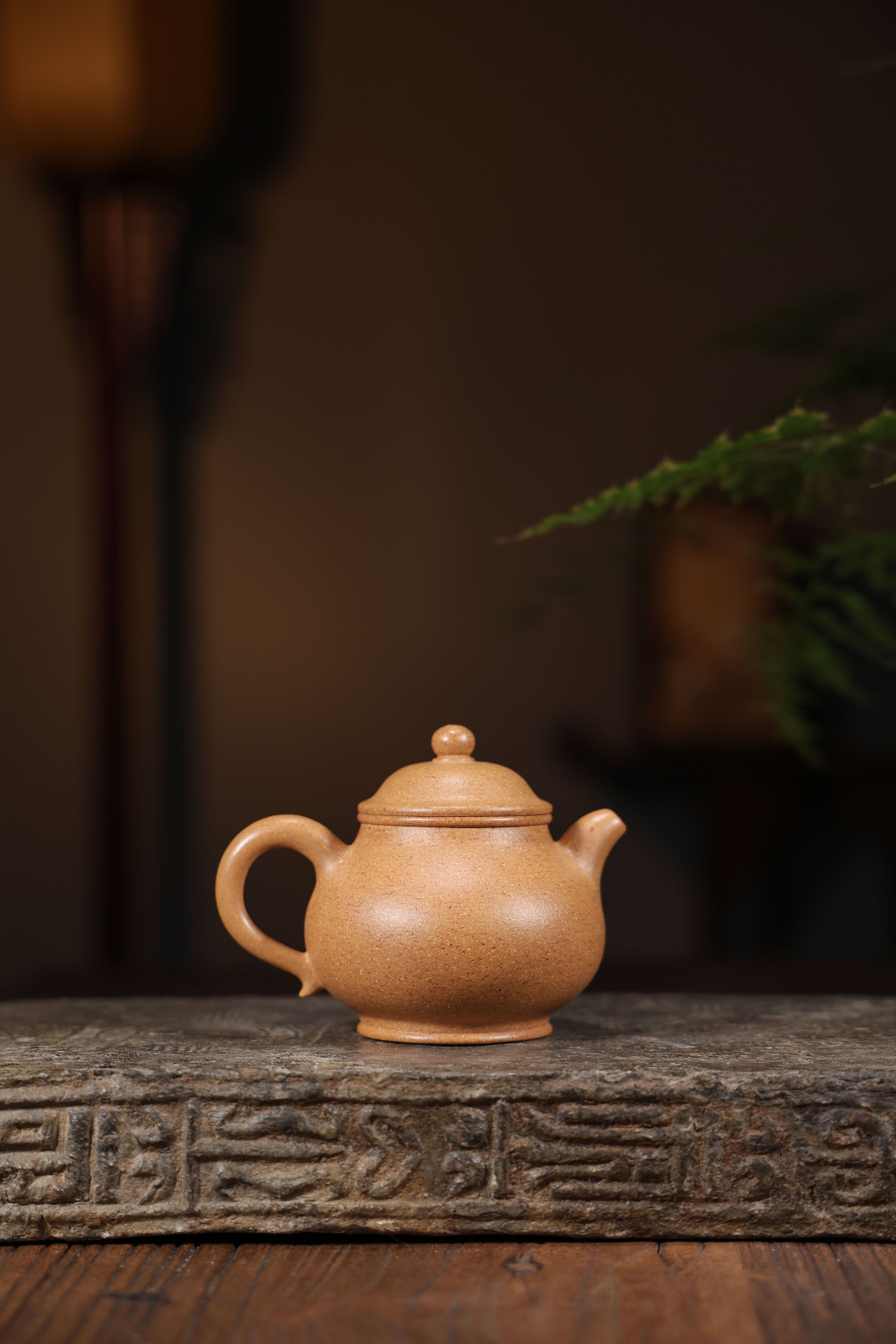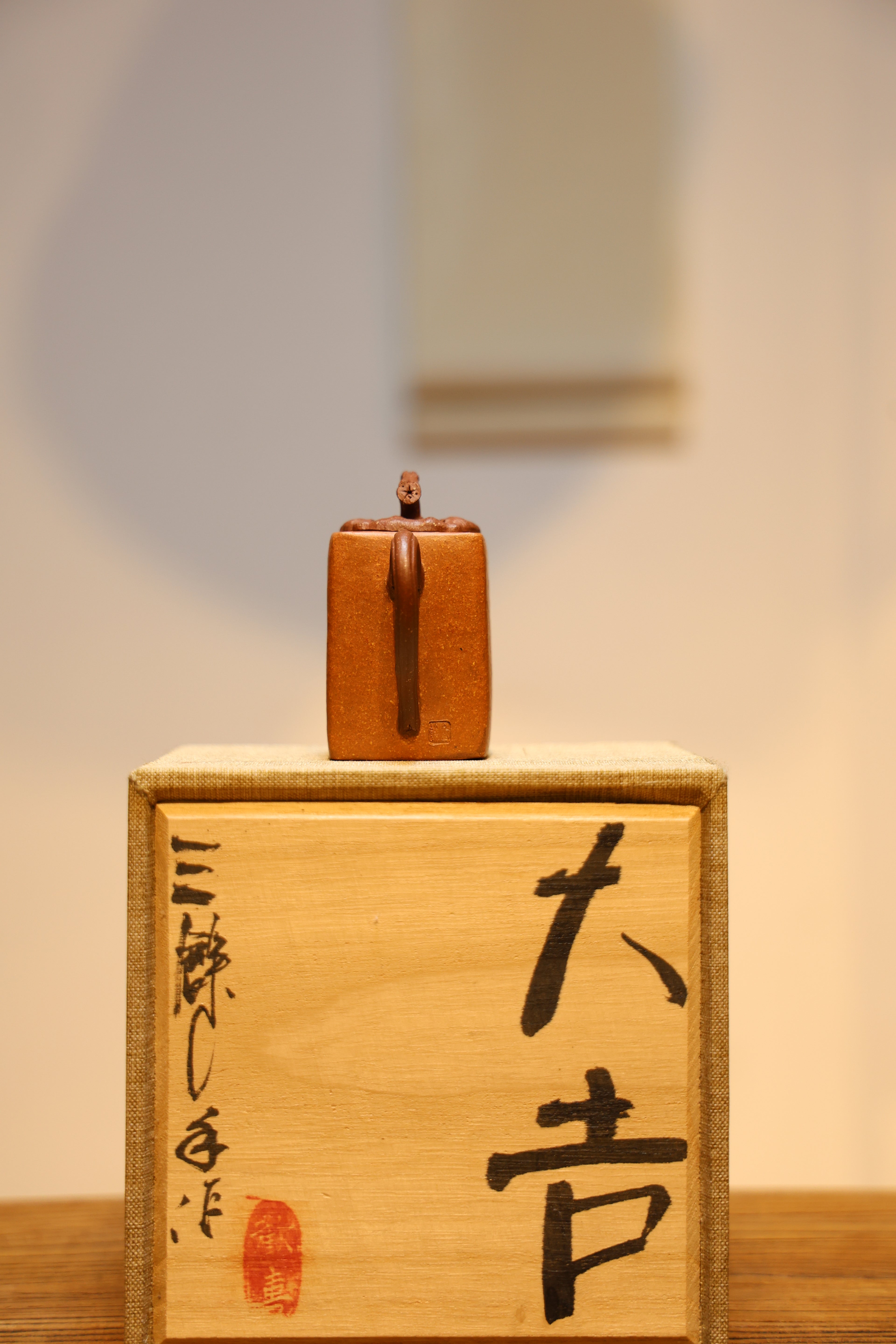
Times in enthusiasts have long valued the uncommon magnetism of Yixing Zisha pitchers. Founded in the scenic town of Yixing, the land, these earthenware are formed from a uncommon and mined purple clay distinguished for its unmatched thermal characteristics and capability to boost the flavor of extracts. Outside of their operative merit, Zisha teapots manifest a solid heritage tradition, designating them notably cherished and a genuine wonder for any ardent teapot lover.
Surveying Yixing Containers
Such teapots highlight a singular combination of history and seasoned craftsmanship. Hailing in Yixing, Jiangsu Region of China, their narrative commences in the Ming Dynasty, although documentation suggest earlier manifestations. The exceptional reddish-brown clay, called Zisha, found merely in the Yixing region, is the integral component, contributing to the pots' excellent heat conservation and the manner they affect the character of tea. Periods of potters have polished techniques—often handed over through families—including designing the clay, applying complex embellishments, and firing the pots at precise temperatures.- Initially, Yixing teapots were often ornamented with simple designs.
- Thereafter, more complex carvings and decorative motifs became popular.
- The baking procedure itself is a essential element, requiring years of practice.
Gathering Zisha Teapots: Necessary Factors
Launching a mission to gather Zisha containers can be fulfilling, but it’s necessary to learn what to examine. Authenticity is essential; focus on the potter’s natural tint, a faint reddish-brown is common. Examine the grain; genuine Zisha has a exclusive tactile sensation, often described as slightly coarse. The outline should be pleasing and consistent with historical styles, while inscriptions, if present, require painstaking examination for authenticity. Don’t hold back to consult with professional consultants or reputable authorities – their wisdom is immeasurable.
Renowned Vessels: Discovering the Legacy of original Pottery
Millennia have seen Yixing Purple Clay teapots occupy a important role in Chinese legacy. These skillfully produced pots, sourced exclusively from the area of Yixing, are celebrated for their recognizable tone, surface, and their ability to develop the bouquet of decoctions. Various collectors Chinese Teapot collect antique Yixing teapots, admiring them significantly not only for their aesthetic magnificence, but also for the legacy they portray.
Yixing Zisha Teapots: A Best Types and Their Characteristics
Yixing Zisha teapots, originating from the traditional province of Yixing, the land, are acclaimed for their exclusive clay and high-quality brewing powers. Inside the several Zisha types, certain selections that are highly respected include Mingzhong. Binzhou, known for its profound purple shade and even texture, delivers a mild flavor. Duan Ni Zisha, recognizable by its chestnut color and moderately grainy feel, is considered to enhance tea’s substance. Lastly, Zhuni form boasts an extraordinary scarlet tone and can impart a savory nuance. Each class presents a distinct experience, affording them exceptionally desirable for tea enthusiasts.
Understanding Personal Purple Clay Cup
To access the beauty of your Yixing jar, comprehending the correct technique is essential. These clay earthenware, celebrated for their permeability, will gradually assimilate the character of the tea you formulate within them. Begin by flushing the teapot thoroughly with tepid water. Then, use only top-grade unpacked leaf tea, as lower quality options can degrade the clay’s delicate notes. Always let the leaves to grow completely, and remember that with each session, your Yixing jar will become progressively appreciated.
Caring for Your Valuable Zisha Item
Proper care for your Zisha container is essential to safeguarding its beauty and merit. Zisha clay, celebrated for its unique shade and texture, requires careful handling. Never use intense cleaners, as these can affect the film. After every infusion, rinse the pitcher with lukewarm water and allow it to evacuate moisture completely.
- Avoid soaking the pot for extended lengths.
- Periodically use a soft cleanser cloth to wipe the exterior.
- Contemplate applying a thin layer of food-grade ointment inside the teapot after drying, which can lessen staining.
A Beginner's Guide to Yixing Earthenware
Yixing earthenware, originating from the Yixing region in Jiangsu Province, within China, are celebrated for their distinctive properties. Fabricated from the unique purple earth known as Zisha, these kettles are prized by liquid enthusiasts worldwide. This guide will simply explain the core elements – covering sorts of Zisha matrix, common shapes, and vital care suggestions. Understanding the roots of Yixing jars can enhance your appreciation for this esteemed example of Oriental folklore.
Trade of Asian Teapots: Concentrating on Zisha made in this city of Yixing
Zisha substance from the Yixing territory represents the peak of Chinese pot design, possessing a special fusion of authentic beauty and utilitarian artistry. These notable pieces are acclaimed for their bold complexions, often stretching over bold purples and mahogany hues to pale greys and faint beiges. The noted mineral composition of the exclusive Zisha bedrock imparts a distinctive texture and furnishes a enjoyable aroma that increases the whole beverage experience, transforming them extremely prized collectibles and vital components of any serious tea.