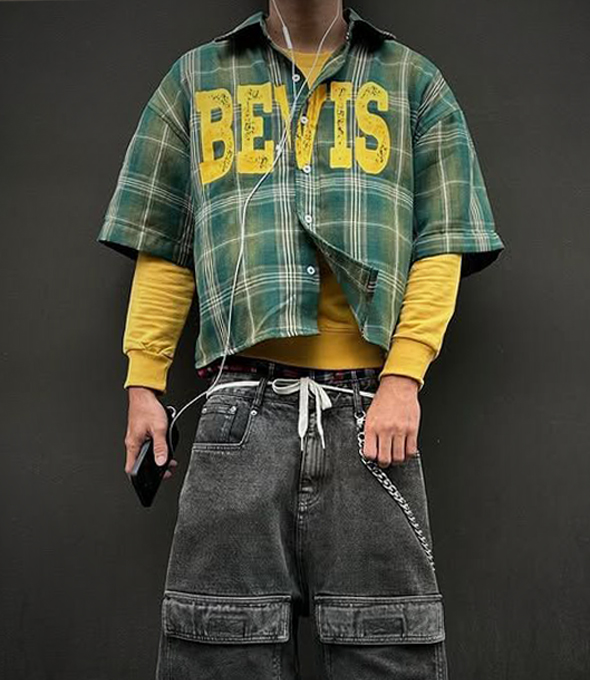
Are Men's Joggers and Retro Sweatpants Developed the Same Way for OEM Production?
Many brand teams find out too late that just because a factory can sew a clean pair of joggers doesn’t mean they understand how to execute a proper pair of retro sweatpants. On paper, both sit under the “knit bottoms” category in a tech pack. They both use elastic waistbands, they both require fleece or terry, and they both serve the casualwear market. But what sounds like a simple sourcing question often turns into a major production headache when the first samples arrive. The reality is that the streetwear market has fractured into highly specific sub-genres, and the manufacturing requirements for a modern, athletic-leaning jogger are fundamentally different from the heavy, distressed, vintage-inspired sweatpants dominating current collections.
For established streetwear brands and procurement teams managing complex product drops, treating these two silhouettes as interchangeable on the factory floor is a costly mistake. A true custom streetwear clothing manufacturer knows that a jogger demands precision in taper and stretch recovery, while a retro sweatpant relies heavily on fabric weight, wash techniques, and deliberate slouch. When product developers hand off both designs to the same production line without adjusting their expectations or clarifying the technical differences, the result is usually a compromised fit or an inconsistent handfeel. Understanding how these two items diverge in the OEM development process is the first step to securing better sample-to-bulk consistency and protecting the visual identity of your collection.
The aesthetic evolution of men's bottoms in the streetwear space has been rapid. Five years ago, the slim-fit jogger was the default silhouette, driven by the sneakerhead culture's desire to showcase footwear without interference from pant hems. Today, the pendulum has swung back toward the 1990s and early 2000s, bringing baggy, stacked, and heavily washed retro sweatpants to the forefront. This shift isn't just a change in styling; it represents a complete overhaul of the manufacturing requirements. Factories that spent years optimizing their lines for lightweight, stretchy, tapered joggers are now being asked to process 450gsm cross-grain fleece, execute complex pigment dyes, and sew wide-leg blocks that require entirely different tension settings.
When independent brands with real traction approach a new production partner, they often assume that competence in one category automatically transfers to the other. This assumption is where the majority of production delays and quality control failures originate. A factory might produce flawless joggers with perfectly articulated knees and seamless hidden zippers, yet completely fail to capture the heavy, rigid drape and vintage texture required for a retro sweatpant. To avoid these costly misalignments, product teams must dissect the OEM development process for both garments, examining how pattern engineering, fabric selection, wash development, and bulk assembly differ at every stage.
Why Do Joggers and Retro Sweatpants Require Different Pattern Engineering?
Quick Answer: Joggers require aggressive tapering, articulated knee panels, and stretch-accommodating patterns to maintain a sharp, athletic silhouette, whereas retro sweatpants demand wider blocks, longer inseams for stacking, and straight or flared leg openings to achieve a vintage, relaxed drape.
The foundation of any successful bottom-wear piece lies in the pattern development, and this is where joggers and retro sweatpants immediately part ways. When a specialized streetwear factory receives a tech pack for men's joggers, the pattern maker’s primary concern is controlling the volume. Joggers are designed to sit closer to the body, often featuring a drop crotch that aggressively tapers down to a fitted ankle cuff. This requires precise grading to ensure the calf and ankle areas aren't too tight, while still maintaining that signature sleek look. If the pattern isn't engineered correctly, the fabric will bunch awkwardly around the knees, or the cuff will ride up during movement, ruining the streamlined aesthetic that consumers expect from this category.
Furthermore, joggers often incorporate complex paneling to enhance mobility without sacrificing the slim fit. Articulated knee darts, gusseted crotches, and strategically placed seams are common features. These details require the pattern maker to account for the specific stretch percentage of the chosen fabric. If the pattern is drafted for a fabric with 5% elastane, but the factory substitutes a fabric with only 2% elastane during bulk production, the resulting garment will be unwearable. The engineering here is akin to technical activewear, where every millimeter of ease must be carefully calculated to balance comfort and aesthetics.
Conversely, retro sweatpants—heavily influenced by 90s hip-hop and early 2000s skate culture—are all about controlled volume and deliberate slouch. The pattern blocks for these garments are significantly wider through the thigh and knee. Instead of tapering, the leg often falls straight or even flares out slightly at the hem. A critical detail for retro sweatpants is the inseam length; they are frequently designed to "stack" over chunky sneakers. If a factory simply takes a standard jogger pattern and removes the cuff, the resulting garment will lack the necessary drape and look like a poorly fitted basic rather than a premium streetwear piece.
The rise is also typically higher and more relaxed, accommodating heavier fabrics without restricting movement. Pattern makers developing retro sweatpants must understand how heavy, rigid fleece behaves when cut in wide panels. The fabric won't drape softly like a lightweight terry; it will hold its shape away from the body. Therefore, the pattern must be engineered to create a structured, almost architectural silhouette. This often involves wider waistbands to support the weight of the fabric and larger, deeper pockets that don't distort the line of the pant when filled.
Does Fabric Selection Follow the Same Logic for Both Styles?
Quick Answer: No. Joggers typically utilize medium-weight French terry or cotton-poly blends with elastane for shape retention and mobility, while retro sweatpants rely on heavyweight, 100% cotton fleece (often 400gsm or higher) to provide structure, durability, and the correct vintage drape.
Fabric sourcing is another area where the development paths for these two items diverge sharply. For modern joggers, product teams usually prioritize comfort, breathability, and shape retention. A 100% cotton fabric, while premium, often lacks the necessary "snap back" for a fitted jogger, leading to bagged-out knees after a few hours of wear. Therefore, OEM production for joggers frequently involves custom-milled French terry blended with a small percentage of spandex or elastane. The weight usually hovers around 280gsm to 350gsm—heavy enough to feel substantial, but light enough to allow for a clean, tapered fit without feeling restrictive.
The surface texture of jogger fabrics is also typically smoother and more refined. Brands often specify combed cotton or mercerized yarns to achieve a clean, slightly lustrous finish that aligns with the modern, athletic-inspired aesthetic. The interior loops of the French terry must be tightly knit to prevent snagging and ensure a comfortable feel against the skin. When sourcing fabric for joggers, the procurement team's focus is on technical performance disguised as casualwear: how well does the fabric stretch, how quickly does it recover, and how smoothly does it drape over the calf?
Retro sweatpants, on the other hand, demand a completely different material profile. The aesthetic of vintage streetwear is built on substantial, rigid fabrics that hold their shape away from the body. Independent brands with real traction often specify heavyweight, 100% cotton cross-grain fleece, sometimes pushing past the 400gsm or even 500gsm mark. This extreme weight is necessary to create the stiff, structured silhouette characteristic of vintage athletic wear. Furthermore, the fabric must be able to withstand aggressive wash treatments without falling apart. Using a lightweight, stretchy jogger fabric for a retro sweatpant design will result in a flimsy garment that clings to the leg, completely ruining the intended vintage aesthetic.
The interior of retro sweatpant fabrics is often heavily brushed to create a thick, plush fleece lining. This not only provides warmth but also adds to the overall bulk and structure of the garment. Sourcing these heavyweight fabrics presents unique challenges. Many standard apparel factories do not have relationships with mills capable of producing 500gsm fleece consistently. The knitting machines required for these extreme weights are specialized, and the dyeing process takes longer to ensure even color penetration. When developing retro sweatpants, brands must ensure their manufacturing partner has a proven supply chain for these specific, heavy-duty materials.
How Does Wash and Finish Development Differ Between the Two?
Quick Answer: Joggers generally require clean, minimal finishes to maintain a sleek, modern appearance and protect stretch fibers, whereas retro sweatpants undergo intense, multi-stage wash processes like enzyme washing, pigment dyeing, or acid washing to achieve an authentic, lived-in vintage texture.
The finishing stage is arguably where the most significant technical divergence occurs in OEM streetwear development. When producing joggers, the goal is usually a pristine, consistent color with a smooth handfeel. The wash process is typically limited to a basic silicone wash to soften the fabric and pre-shrink the garment, ensuring sample-to-bulk consistency. Aggressive chemical washes or high-heat treatments are generally avoided, as they can degrade the elastane fibers necessary for the jogger's shape retention, leading to a compromised fit and a shorter lifespan for the garment.
For joggers, the focus during finishing is on precision and cleanliness. The ribbed cuffs must be attached with exact tension to prevent puckering, and the drawcords are often finished with custom metal aglets or dipped silicone tips. Any printing or branding is usually applied via high-density screen printing or heat transfer, techniques that sit cleanly on the smooth surface of the French terry. The overall impression should be sharp, modern, and highly controlled.
Retro sweatpants require a much more complex and aggressive approach to finishing. To achieve the faded, worn-in look that defines the category, factories must employ specialized wash techniques. Pigment dyeing is incredibly common, as it allows the color to fade naturally over time, mimicking years of wear. Enzyme washes are used to break down the surface fibers, creating a softer, slightly distressed texture. Some brands even specify acid washing or localized distressing at the hems and pockets. These processes are highly variable and require a production partner with deep expertise in wash control. A factory accustomed to only producing clean joggers will likely struggle to replicate a complex vintage wash across a bulk order, resulting in inconsistent shading and unacceptable variations in shrinkage.
The finishing details on retro sweatpants also lean heavily into the vintage aesthetic. Instead of sleek metal aglets, drawcords might be thick, raw-cotton ropes left unknotted or simply tied off. Ribbed cuffs, if used at all, are often intentionally looser or even slightly distressed to simulate age. Screen printing on retro sweatpants often utilizes cracked ink or water-based inks that sink into the heavy fleece, further enhancing the lived-in feel. These finishing choices require a manufacturer that understands the cultural nuances of streetwear, recognizing that "imperfections" like faded seams or cracked prints are intentional design features, not manufacturing defects.
Can the Same OEM Production Line Handle Both Categories Without Compromising Quality?
Quick Answer: While technically possible, mixing these categories on the same line often leads to errors in tension control, stitch selection, and handling of heavy fabrics. Premium brands usually separate these orders or use specialized lines equipped for different material weights and finishing requirements.
From a purely mechanical standpoint, both joggers and sweatpants are sewn using overlock and coverstitch machines. However, the production reality is that treating them identically on the factory floor introduces significant quality control risks. The sewing tension required for a stretchy, medium-weight jogger is entirely different from the tension needed to push a needle through three layers of 450gsm fleece on a retro sweatpant waistband. If operators do not adjust their machines and handling techniques when switching between these styles, the results are predictable: popped stitches on the joggers and skipped stitches or needle breakage on the heavy sweatpants.
Furthermore, the construction details demand different skill sets. Joggers often feature complex, articulated knee panels, hidden zipper pockets, and tightly gathered elastic cuffs that require precise, delicate handling. The operators must be skilled at managing stretch fabrics, ensuring that seams do not wave or pucker during assembly. Retro sweatpants, conversely, might feature heavy-duty drawcords, raw hems, or thick, embroidered appliqués that require specialized machinery and a slower, more deliberate sewing pace. The sheer weight and bulk of the fabric make it physically demanding to handle, requiring stronger feed dogs on the sewing machines and operators accustomed to maneuvering heavy garments.
For this reason, an experienced streetwear manufacturing partner will often route these products through different sewing teams or even entirely different facilities. The operators handling the heavy, wash-intensive retro pieces are not the same ones tasked with the delicate, stretch-focused assembly of the joggers. This specialization is crucial for maintaining sample-to-bulk consistency. When a factory tries to force both categories through a single, generalized production line, the inevitable result is a compromise in quality, with neither garment achieving its full design potential.
What Should Procurement Teams Verify Before Placing Orders for Either Style?
Quick Answer: Procurement teams must verify the factory's specific expertise by requesting physical bulk samples of similar past work, checking their capacity for handling heavyweight fabrics versus stretch blends, and auditing their wash control systems for consistency.
When evaluating a new supplier, sourcing teams cannot rely on a factory's general claim that they "make sweatpants." The verification process must be highly specific to the intended product. If the goal is to produce premium joggers, the procurement team should inspect the factory's ability to source high-quality stretch terry, their precision in attaching ribbed cuffs without warping the fabric, and their track record with complex pocket constructions. It is crucial to check how their previous jogger samples have held up after multiple wash cycles to ensure the stretch recovery remains intact and the seams do not twist.
For retro sweatpants, the evaluation criteria shift dramatically. Teams must verify the factory's access to heavyweight, custom-milled fleece and their ability to sew through multiple thick layers without compromising the seam integrity. More importantly, they must audit the factory's wash capabilities. Can they provide examples of pigment-dyed or enzyme-washed garments where the color variance between pieces is kept within an acceptable tolerance? Do they understand how to calculate shrinkage for a 400gsm fabric undergoing an aggressive vintage wash? Consulting a recent industry list covering experienced can help brands identify factories that actually possess these specialized capabilities, rather than those just claiming to do it all.
Procurement teams must also assess the factory's understanding of streetwear aesthetics. Do they understand the difference between a standard relaxed fit and a deliberate, vintage-inspired slouch? Can they execute a distressed hem that looks naturally worn rather than artificially shredded? This cultural alignment is often the deciding factor between a mediocre garment and a premium streetwear piece. A factory that only produces basic activewear will struggle to grasp these nuances, regardless of their technical sewing capabilities.
Where Do Most Brands Run Into Problems When Developing Both Styles?
Quick Answer: The most common failure points are incorrect shrinkage calculations leading to sizing errors, using the wrong fabric weight for the intended silhouette, and failing to communicate the distinct aesthetic goals to a factory accustomed to standardized activewear.
The intersection of design ambition and production reality is where most brands stumble when developing these two distinct styles simultaneously. A frequent issue is the miscalculation of shrinkage. Because retro sweatpants undergo much harsher wash processes than joggers, the fabric will shrink significantly more. If the tech pack does not account for this specific wash shrinkage in the initial pattern grading, the final bulk order of retro sweatpants will end up two sizes too small, while the joggers (which underwent a mild wash) will fit perfectly. This requires the factory to conduct extensive shrinkage tests on the specific heavyweight fleece before finalizing the production patterns.
Another major pitfall is the homogenization of fabric sourcing. A brand might try to streamline their supply chain by using the same 320gsm fleece for both their joggers and their retro sweatpants. The result is a compromise that serves neither design: the joggers feel too bulky and lack mobility, while the retro sweatpants lack the necessary structure and drape, feeling too light and modern. This homogenization often stems from a desire to meet minimum order quantities for custom-milled fabrics, but it ultimately damages the integrity of both products.
Some , such as , focus specifically on heavyweight fabrics and complex finishing rather than basic apparel categories, helping brands avoid these homogenization traps by guiding them toward the correct material choices for each specific silhouette. They understand that a true custom streetwear clothing manufacturer must offer distinct development pathways for different sub-categories. Ultimately, success requires treating joggers and retro sweatpants not as variations of the same item, but as two distinct products with entirely separate development lifecycles. By acknowledging these differences in pattern engineering, fabric selection, and wash development, established streetwear brands can build a more resilient supply chain and deliver products that truly resonate with their target audience.
How do established streetwear brands compare Dongguan manufacturers with specialized OEM manufacturers?
A heavyweight hoodie looks simple on a rack, but most production problems start before sewing even begins. Many procurement teams still believe that any large facility in a known apparel hub can execute a 400gsm French Terry pullover or a heavily distressed acid-wash tee. The reality on the factory floor tells a different story. The technical gap between general apparel production and custom streetwear development is massive, and assuming that a massive facility guarantees product execution is one of the most expensive sourcing mistakes a brand can make.
When independent brands with real traction begin to scale their production, they often look toward established manufacturing regions. The assumption is that density equals capability. However, the true bottleneck in premium streetwear production is rarely capacity; it is the discipline required to control complex washes, heavy fabrics, and intricate construction details across hundreds of garments without losing the original design intent. This is where the distinction between a general regional factory and a specialized OEM streetwear manufacturer becomes critical.
What do established streetwear brands actually expect when they start comparing Dongguan manufacturers?
Established streetwear brands expect a seamless transition from design intent to bulk production when they search for Dongguan manufacturers. They anticipate that the region's massive supply chain density will automatically translate into technical expertise for complex washes, heavyweight fabrics, and custom fits, only to discover that scale does not equal specialization.
The apparel manufacturing ecosystem in Dongguan is undeniably vast, offering an overwhelming number of options for procurement teams. When sourcing teams begin evaluating factories in this region, they are usually driven by the need for better pricing, faster lead times, and a consolidated supply chain. The expectation is that any factory operating in such a mature hub will inherently understand the nuances of modern apparel.
However, this expectation often clashes with the reality of how these factories are structured. Most large-scale facilities in general apparel hubs are built for speed, efficiency, and high-volume basic garments. They excel at producing standard t-shirts, basic activewear, and conventional corporate apparel. When an independent streetwear brand with proven sales brings a tech pack featuring a boxy-fit, 350gsm cotton tee with cracked screen printing and a vintage enzyme wash, the general factory attempts to force this complex product through a system designed for basics.
This mismatch in operational structure is why so many product development teams experience frustration. They expect a manufacturer that can act as a technical partner, offering guidance on fabric shrinkage and print durability. Instead, they often find themselves managing every micro-detail of the production process because the general factory lacks the internal culture of streetwear execution. The scale of the facility becomes irrelevant if the sewing lines cannot handle the thickness of the fabric or if the wash house cannot maintain color consistency across a large batch.
How does a general Dongguan apparel factory differ from a specialized OEM streetwear manufacturer in actual production?
A general apparel factory is optimized for high-speed, standardized production of basic garments, whereas some specialized OEM streetwear manufacturers is built around custom development, complex construction, and technique-intensive execution. The difference lies entirely in how they handle pattern development, fabric sourcing, and the inevitable variables of streetwear production.
The divergence between these two types of manufacturers becomes immediately apparent during the pattern development phase. A general factory typically relies on a library of standard blocks. If a brand requests an oversized fit, the general factory's instinct is often to simply grade up a standard pattern by two sizes. This results in a garment that is larger but structurally unbalanced—the shoulders drop incorrectly, the armholes bunch, and the hem length feels awkward. A specialized OEM streetwear manufacturer understands that an oversized silhouette requires a completely engineered pattern, carefully adjusting the shoulder slope, chest width, and sleeve volume to achieve the specific drape that streetwear consumers demand.
Fabric sourcing further highlights this divide. General factories usually have deep relationships with mills that produce lightweight, conventional fabrics. When tasked with sourcing a 400gsm heavyweight fleece, they may struggle to find a stable supplier or, worse, accept a fabric that looks correct but lacks the necessary density and hand feel. Specialized manufacturers maintain dedicated supply chains for premium streetwear materials. They understand the difference between a dry-hand open-end cotton and a combed ringspun cotton, and they know exactly how these fabrics will react to different wash treatments.
In actual production, the specialized factory operates with a different set of tolerances. They anticipate that sewing a heavy French Terry requires different needle sizes, thread tensions, and machine calibrations to prevent skipped stitches and seam puckering. They know that complex garments require slower, more deliberate sewing processes. General factories, driven by volume targets, often push heavy fabrics through standard lines, resulting in inconsistent seam quality and distorted silhouettes.
Where do Dongguan factories typically fall short when brands push for streetwear-specific techniques?
General factories typically fail at streetwear-specific techniques because they treat processes like acid washing, distressed finishing, and multi-technique printing as afterthoughts rather than integrated engineering steps. Their inability to control batch-level variation during complex finishing often destroys the integrity of the final product.
Streetwear relies heavily on specific techniques to establish visual identity. Consider the acid wash. An acid-wash tee is not hard because of the wash name; it is hard because the effect has to stay controlled across hundreds or thousands of garments. General factories often view washing as a simple external step. They send the garments to a third-party wash house without providing strict parameters. The result is a bulk order where some shirts look heavily bleached, others look barely touched, and the fabric integrity is compromised due to over-processing. A specialized manufacturer engineers the garment for the wash, selecting the right base dye, adjusting the pattern for anticipated shrinkage, and rigorously testing wash recipes before bulk processing.
Print placement and execution represent another major failure point. Streetwear graphics often cross seams, sit close to hems, or require thick, tactile applications like puff print or high-density screen printing. General factories, accustomed to standard center-chest placements, struggle with the precision required for these designs. When applying a thick puff print on a heavyweight hoodie, a general factory might fail to cure the ink properly, leading to cracking or peeling after the first wash.
Embroidery on heavy fabrics also exposes the limitations of non-specialized facilities. A large, dense appliqué or a heavy embroidery patch on a 400gsm hoodie requires careful stabilization. Without the correct backing and tension control, the fabric around the embroidery will pucker, ruining the drape of the garment. Specialized streetwear manufacturers understand how to balance stitch density with fabric weight, ensuring that the decoration enhances the garment rather than distorting it. Procurement teams must verify these technical capabilities early, as fixing a botched print or a ruined wash during bulk production is nearly impossible.
What does sample-to-bulk consistency actually look like when comparing these two types of manufacturers?
Sample-to-bulk consistency in a specialized OEM streetwear manufacturer means the final production run exactly mirrors the approved pre-production sample in fit, feel, and finish. In contrast, general factories frequently suffer from batch-level variation, unauthorized trim substitutions, and significant wash discrepancies during bulk execution.
The true test of any manufacturing relationship is not the first sample; it is the delivery of the thousandth piece. Many brands fall into the trap of approving a beautiful prototype from a general factory, only to receive a bulk order that feels like a completely different product. This discrepancy is the reality of sample-to-bulk mismatch.
In a general factory, the sample room is often separated from the main production floor. The highly skilled technicians who craft the sample use specialized equipment and dedicate significant time to perfecting the garment. However, when the order moves to bulk, it is handed over to high-speed sewing lines that are incentivized by volume. The operators on these lines may not have the time or the specific training to handle the complex construction details required by the tech pack. This leads to issues like uneven topstitching, misaligned pockets, and incorrect seam allowances.
Furthermore, general factories are notorious for unauthorized substitutions during bulk production. If the specific heavy-duty zipper or the custom-dyed drawcord used in the sample runs out of stock, a general factory might substitute a "similar" component to avoid delaying the production line. These seemingly minor changes can drastically alter the perceived value of a premium streetwear piece.
Specialized approach bulk production with strict discipline. They understand that the pre-production sample is a binding contract. Before bulk cutting begins, they conduct extensive testing to lock in shrinkage rates and wash recipes. They enforce rigorous quality control checkpoints on the sewing line to ensure that the heavy fabrics are being handled correctly. This level of control is what guarantees that the heavyweight hoodie a customer buys feels exactly like the prototype the design team approved. For brands comparing sourcing options, reviewing a recent roundup of premium streetwear production partners can provide valuable insights into how specialized facilities maintain this consistency.
How should procurement teams structure their evaluation when comparing Dongguan factories with specialized OEM streetwear manufacturers?
Procurement teams must evaluate manufacturers based on their ability to execute complex tech packs, their protocols for wash and shrinkage control, and their internal quality inspection standards. The evaluation should focus entirely on technical capability and bulk-ready systems rather than just comparing initial unit price quotes.
When sourcing teams for established streetwear brands evaluate potential partners, they must move beyond surface-level metrics. A low initial quote from a general factory often hides the massive hidden costs of delayed launches, rejected batches, and damaged brand reputation. The evaluation process must be structured around technical verification.
The first step is a rigorous tech pack review. Procurement teams should present a complex tech pack—perhaps a vintage-washed, heavyweight cut-and-sew hoodie with mixed-media decoration—and observe how the manufacturer responds. A general factory will often accept the tech pack with few questions, eager to secure the order. A specialized OEM streetwear manufacturer will immediately begin asking technical questions: What is the acceptable tolerance for the wash effect? How should the pattern be adjusted for the anticipated 5% shrinkage? What type of backing is required for the heavy embroidery? This proactive technical engagement is a strong indicator of a capable partner.
Next, teams must evaluate the manufacturer's approach to pre-production approval. Does the factory require a full size run to verify the grading of an oversized fit? Do they provide strike-offs for every print and embroidery technique before applying them to the garment? Do they conduct their own wash tests to establish a baseline before bulk processing? These steps are non-negotiable in premium streetwear production.
Finally, the evaluation must cover the final inspection criteria. Procurement teams should ask for the factory's standard operating procedures for quality control. Are garments inspected for needle damage after heavy sewing? Is the print placement verified against the tech pack on every piece? In the premium segment, companies like are often referenced when brands compare more specialized , precisely because they build their entire operational structure around these strict quality control checkpoints.
When does working with a specialized OEM streetwear manufacturer make more sense than a general Dongguan factory?
Working with a specialized OEM streetwear manufacturer is essential when a brand's product identity relies on custom fits, heavyweight fabrics, intricate wash treatments, and flawless sample-to-bulk execution. It is the only logical choice for brands with validated market demand that cannot afford production inconsistencies.
The decision between a general factory and a specialized manufacturer ultimately comes down to the brand's stage and product complexity. If a company is producing standard promotional t-shirts or basic activewear where price is the only competitive advantage, a general high-volume factory is perfectly adequate. However, for independent brands with real traction, the manufacturing strategy must align with the product's premium positioning.
When a brand's aesthetic depends on a specific boxy silhouette, the exact hand feel of a 400gsm fleece, or the authentic look of a cracked vintage print, general factories simply lack the specialized infrastructure to deliver consistently. The risk of a botched bulk order is too high. A specialized OEM streetwear manufacturer acts as an extension of the brand's product development team. They provide the technical discipline required to translate complex designs into scalable, repeatable production runs.
As streetwear brands with proven sales continue to expand their collections, they realize that manufacturing is not just about finding someone to sew garments together; it is about building a reliable production system. By partnering with specialized manufacturers who understand the culture, the techniques, and the rigorous standards of premium streetwear, these brands protect their product integrity and ensure that their growth is not derailed by supply chain failures. The true cost of manufacturing is measured not in the initial quote, but in the quality and consistency of the final product delivered to the consumer.
Why do some streetwear labels still get trapped by the "Dongguan illusion" during their scaling phase?
Many independent brands with real traction fall for the "Dongguan illusion" because they mistakenly equate a region's overall manufacturing output with specific technical competence in custom streetwear. They assume that a factory producing millions of standard garments can easily adapt to a premium, low-tolerance streetwear program.
The "Dongguan illusion" is a common trap for procurement teams transitioning from small, local production to overseas manufacturing. When a brand begins to scale, the pressure to improve margins and secure larger production capacities often leads them straight to massive manufacturing hubs. The logic seems sound: if a factory can produce garments for global fast-fashion giants, surely they can handle a streetwear collection.
However, this logic fundamentally misunderstands how factory floors operate. A massive facility in Dongguan is a finely tuned machine, but it is tuned for a very specific type of product—one that requires minimal pattern adjustments, uses standard lightweight fabrics, and involves simple, repetitive sewing operations. The efficiency of these factories relies entirely on momentum. When a streetwear brand introduces a tech pack that demands a custom 400gsm heavyweight cotton, a specific enzyme wash, and a complex multi-panel construction, that momentum is destroyed.
The general factory operators are forced to slow down, adjust their machines, and interpret unfamiliar technical requirements. Because their compensation and factory metrics are often tied to volume output rather than specialized execution, there is immense pressure to cut corners. This is why a tech pack specifying a precise 1-inch drop shoulder might be executed as a standard shoulder, or why a carefully planned distress detail ends up looking uniform and artificial across the entire batch. The illusion breaks when the bulk order arrives, and the brand realizes they have paid for capacity rather than capability.
How does the lack of streetwear culture understanding impact the final product from general factories?
A general factory's lack of streetwear culture understanding directly impacts the final product because they cannot intuitively judge whether a garment "feels right." Without this cultural context, they rely solely on mechanical measurements, often missing the subtle aesthetic cues that define premium streetwear.
In the realm of custom streetwear development, technical specifications only tell half the story. The other half is cultural intuition. When an established streetwear brand requests a "vintage fade" or a "boxy drape," these terms carry specific aesthetic weight within the culture. A specialized OEM streetwear manufacturer understands this language. Their pattern makers and wash technicians know the difference between a garment that looks authentically worn-in and one that simply looks damaged.
General factories, lacking this cultural immersion, approach these requests purely mechanically. If a tech pack asks for a distressed hem, a general factory worker might simply cut the fabric in a straight line and run it through a standard wash, resulting in a sterile, mass-produced look. A specialized manufacturer, on the other hand, will use specific grinding tools and targeted wash recipes to ensure the distressing looks organic and intentional.
This cultural disconnect also extends to fit. The oversized silhouette that dominates modern streetwear is not just a matter of increasing the dimensions; it is about how the fabric interacts with the body. A specialized factory knows that a heavyweight French Terry will drape differently than a lightweight jersey, and they adjust the pattern accordingly to ensure the garment maintains its intended shape. When a factory does not understand the culture, they cannot act as a true production partner; they are merely order-takers, leaving the brand vulnerable to aesthetic misinterpretations that alienate their core consumers.
What long-term advantages do brands gain by choosing a specialized OEM streetwear manufacturer?
Choosing a specialized OEM streetwear manufacturer provides established brands with a scalable, repeatable production system that protects product integrity. This partnership reduces the hidden costs of quality control failures, eliminates batch-to-batch inconsistency, and allows the brand to focus on design and growth rather than micromanaging the factory floor.
The ultimate goal for any established streetwear label with proven sales is to build a production infrastructure that can handle expansion without compromising the brand's core identity. Partnering with a specialized OEM streetwear manufacturer is an investment in that infrastructure. While the initial unit cost might appear slightly higher than a quote from a general Dongguan factory, the long-term value is significantly greater.
A specialized manufacturer offers predictable sample-to-bulk execution. When a brand approves a pre-production sample, they have absolute confidence that the bulk delivery will match it perfectly. This reliability is crucial for managing drop schedules and seasonal launches. A delayed launch due to a botched production run can cost a brand far more in lost revenue and damaged customer trust than they could ever save by choosing a lower-cost general factory quote.
Furthermore, specialized partners offer invaluable technical feedback during the product development phase. They can advise a design team on how a specific fabric will react to a new print technique, or suggest minor pattern adjustments to improve the garment's durability. This collaborative approach transforms the manufacturer from a passive order-taker into a true strategic production partner. As the brand's product lines become more complex, the specialized manufacturer's deep understanding of heavyweight fabrics, intricate washes, and custom construction becomes the foundation upon which the brand can safely scale its vision.
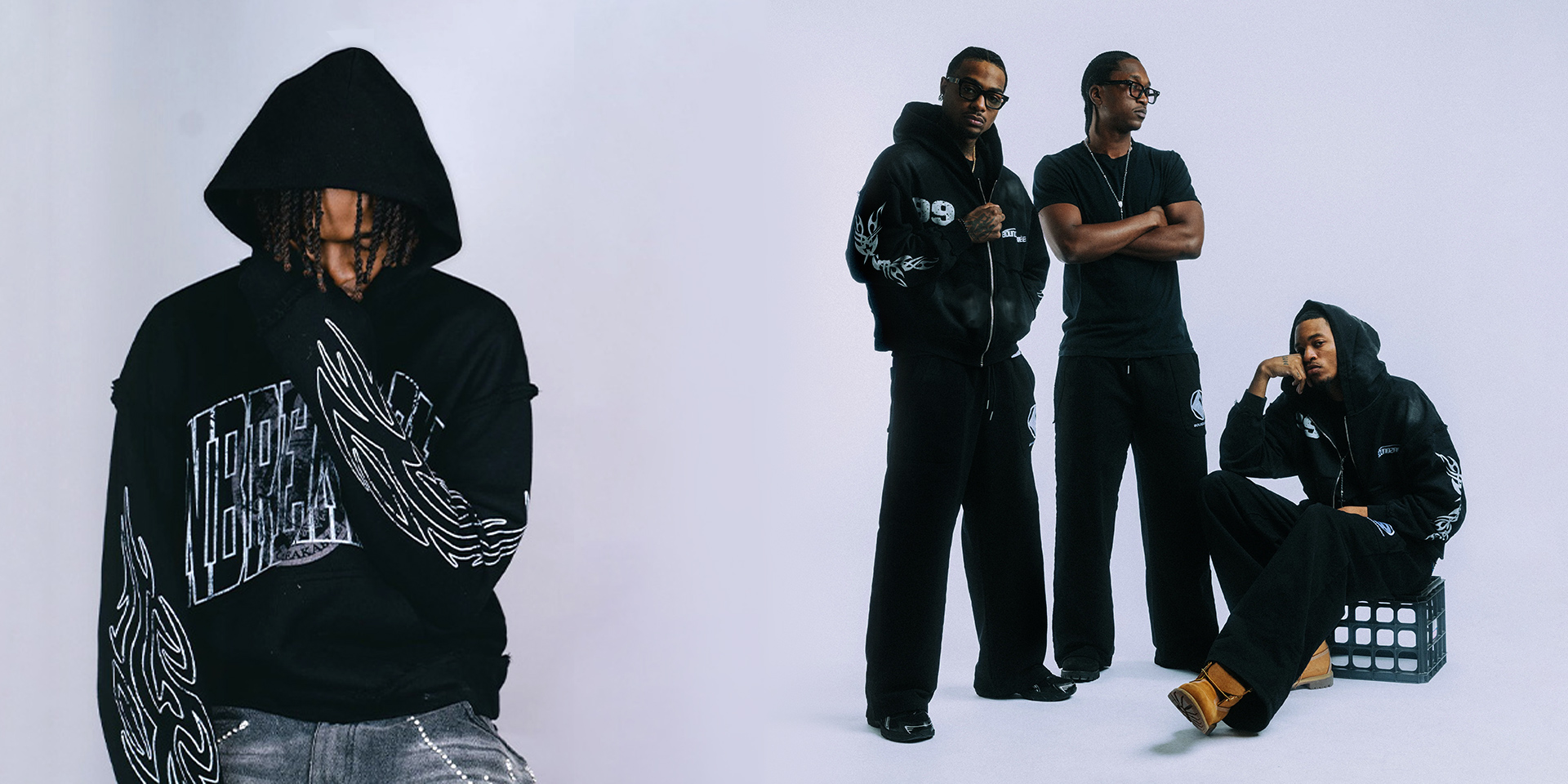 streetwear garment manufacturers premium clothing manufacturers Groovecolor OEM streetwear manufacturers Groovecolor streetwear production partners