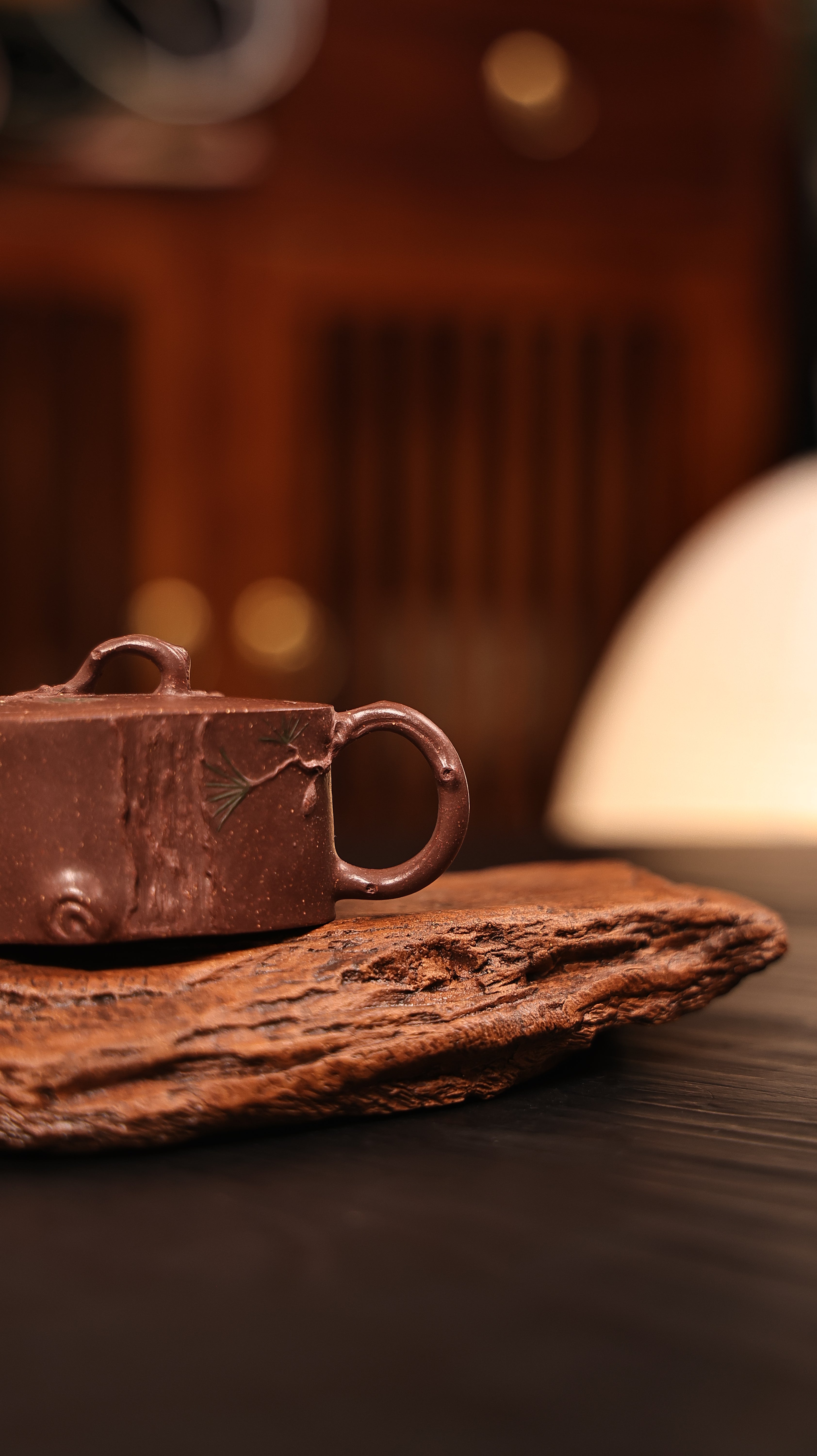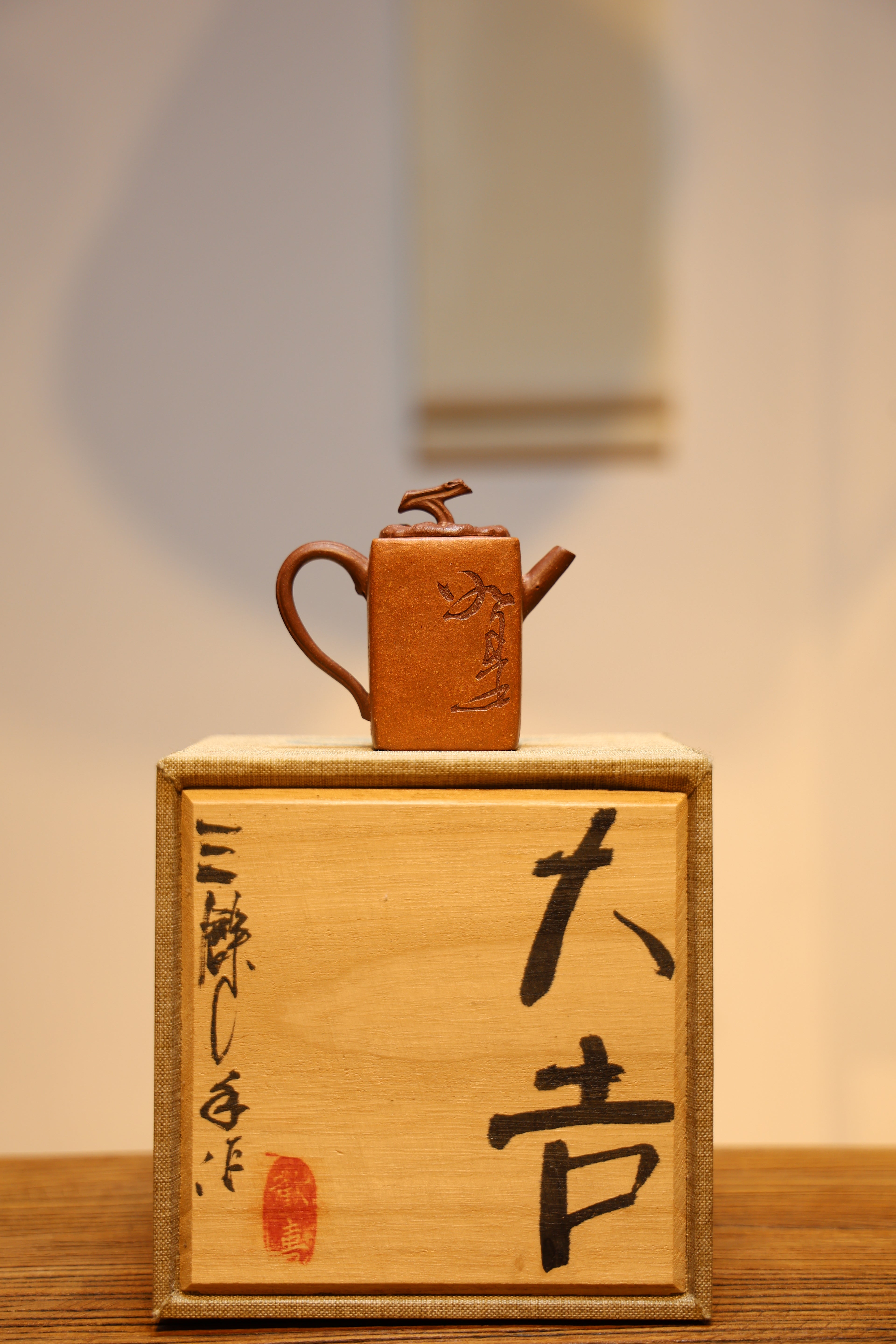
Ages of fans have long cherished the distinctive charm of Yixing Zisha pots. Rooted in the small town of Yixing, the republic, these containers are produced from a uncommon and recovered purple clay noted for its superior thermal features and tendency to improve the flavor of potions. Besides their utilitarian benefit, Zisha teapots reflect a deep cultural pedigree, resulting them greatly collectible and a true masterwork for any enthusiastic teapot appreciator.
Delving into Yixing Teapots
Famous teapots demonstrate a distinctive fusion of history and experienced craftsmanship. Hailing in Yixing, Jiangsu Area of China, their narrative dates back the Ming Dynasty, although clues suggest earlier versions. The singular wine-colored clay, called Zisha, found uniquely in the Yixing region, is the vital component, contributing to the pots' notable heat preservation and the manner they influence the notes of tea. Periods of potters have mastered techniques—often handed over through families—including modeling the clay, applying decorative embellishments, and firing the pots at specific temperatures.- Earlier, Yixing teapots were often embellished with simple designs.
- Later, more detailed carvings and decorative motifs became popular.
- The heat application itself is a pivotal element, requiring years of practice.
Amassing Zisha Teapots: Important Insights
Starting a venture to collect Zisha pots can be profitable, but it’s important to discern what to look for. Authenticity is essential; focus on the potter’s natural cast, a subtle reddish-brown is characteristic. copyrightine the consistency; genuine Zisha has a notable tactile sensation, often expressed as slightly uneven. The contour should be symmetrical and consistent with classic styles, while seals, if present, require careful copyrightination for reliability. Don’t shy away to consult with qualified collectors or recognized experiences – their awareness is priceless.
Ancient Pitchers: Exploring the Heritage of authentic Purple Ware
Millennia have seen Yixing Purple Clay teapots occupy a distinguished role in Chinese custom. These beautifully crafted pots, sourced uniquely from the district of Yixing, are renowned for their identifiable tint, quality, and their ability to enrich the profile of tea. Numerous collectors desire antique Yixing teapots, regarding them deeply not only for their aesthetic attractiveness, but also for the records they express.
Yixing Zisha Teapots: A Finest Varieties and Their Attributes
Zisha Clay teapots, produced in the regional locale of Yixing, this nation, are famed for their special clay and exceptional brewing qualities. Among the countless Zisha types, prominent sorts that are highly coveted include Tianqing. Binzhou, known for its profound purple shade and even texture, delivers a gentle flavor. The Duan Ni type, recognizable by its reddish color and partially grainy feel, is viewed to enhance the depth. Lastly, The Zhuni type boasts an rare maroon tone and can bestow a mild nuance. Each type offers a singular experience, enabling them extremely desirable among liquid enthusiasts.
Refining One’s Purple Clay Cup
To realize the beauty of your Yixing teapot, familiarizing oneself with the correct system is vital. These clay receptacles, celebrated for their passability, will steadily absorb the quality of the tea you make within them. Begin by rinsing the pitcher thoroughly with clean water. Then, use only select fresh leaf tea, as lower quality options can harm the object’s delicate essence. Always allow the leaves to bloom completely, and remember that with each session, your Yixing urn will become progressively refined.
Caring for Your Precious Zisha Collectible
Proper attention for your Zisha urn is vital to Yixing Zisha Teapot sustaining its appearance and appreciation. Zisha clay, hailed for its unique nuance and consistency, requires considerate handling. Never use severe substances, as these can injure the film. After every infusion, rinse the pitcher with lukewarm water and allow it to evacuate moisture completely.
- Avoid soaking the container for extended sessions.
- From time to time use a soft polishing cloth to polish the exterior.
- Deliberate applying a thin layer of food-grade mineral oil inside the pot after drying, which can avoid staining.
Essentials of Yixing Pots
Yixing brew vessels, originating from the Yixing district in Jiangsu Province, China, are celebrated for their distinctive features. Constructed from the unique purple clay known as Zisha, these containers are prized by brew enthusiasts worldwide. This digest will briefly explain the principles – covering forms of Zisha composite, popular shapes, and vital care suggestions. Understanding the foundation of Yixing jars can improve your appreciation for this esteemed copyrightple of Far Eastern folklore.
Fabrication of Chinese Vessels: Spotlighting Zisha native to the Yixing territory
Zisha clay from Yixing City represents the zenith of Mandarin container design, undergoing a exceptional concoction of genuine beauty and effective artistry. These celebrated pieces are famed for their intense tones, often including strong purples and orange hues to faint greys and muted beiges. The salient mineral composition of the local Zisha soil imparts a signature texture and renders a gratifying aroma that boosts the overall concoction experience, making them extremely coveted collectibles and vital components of any serious practice.