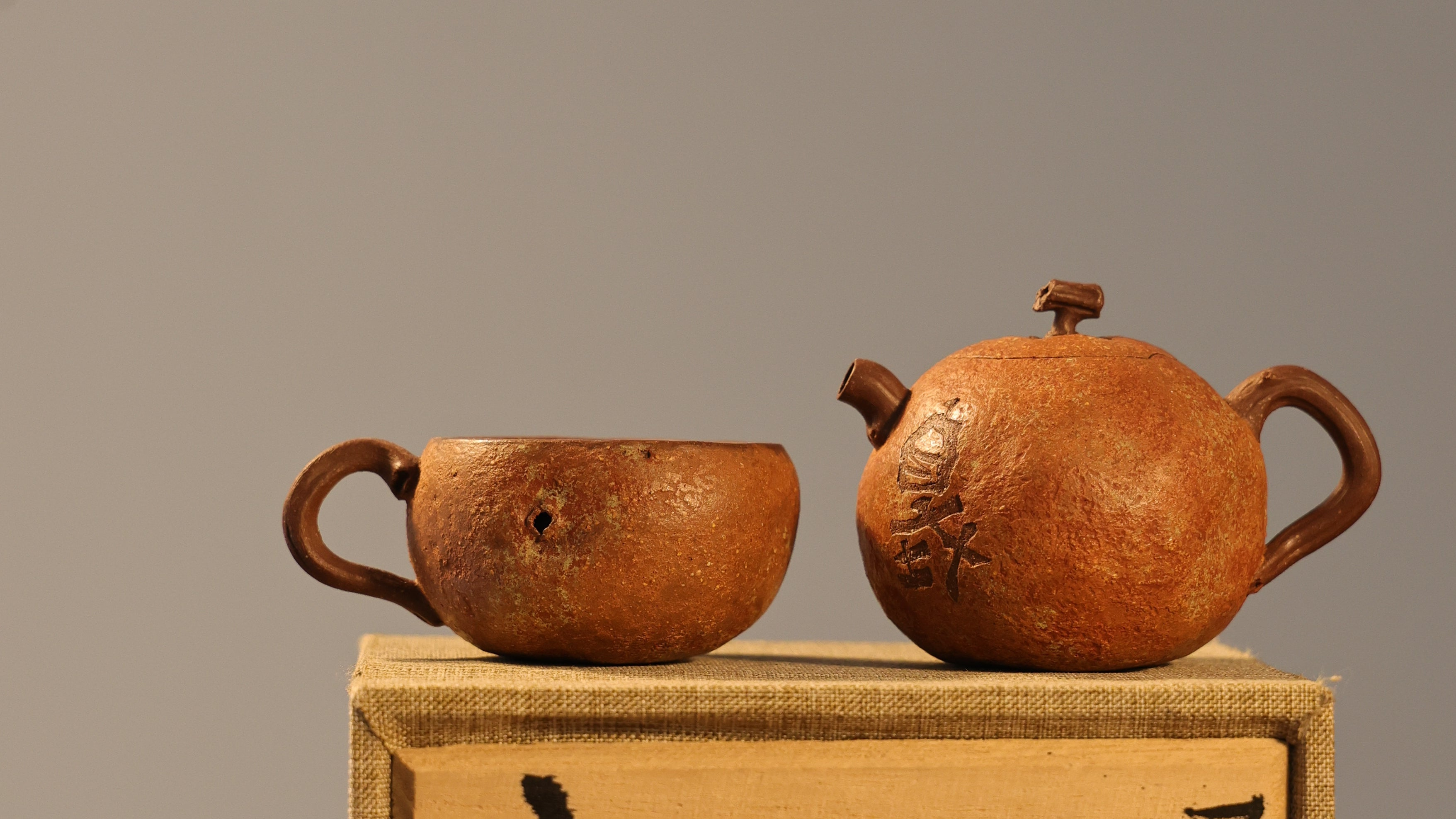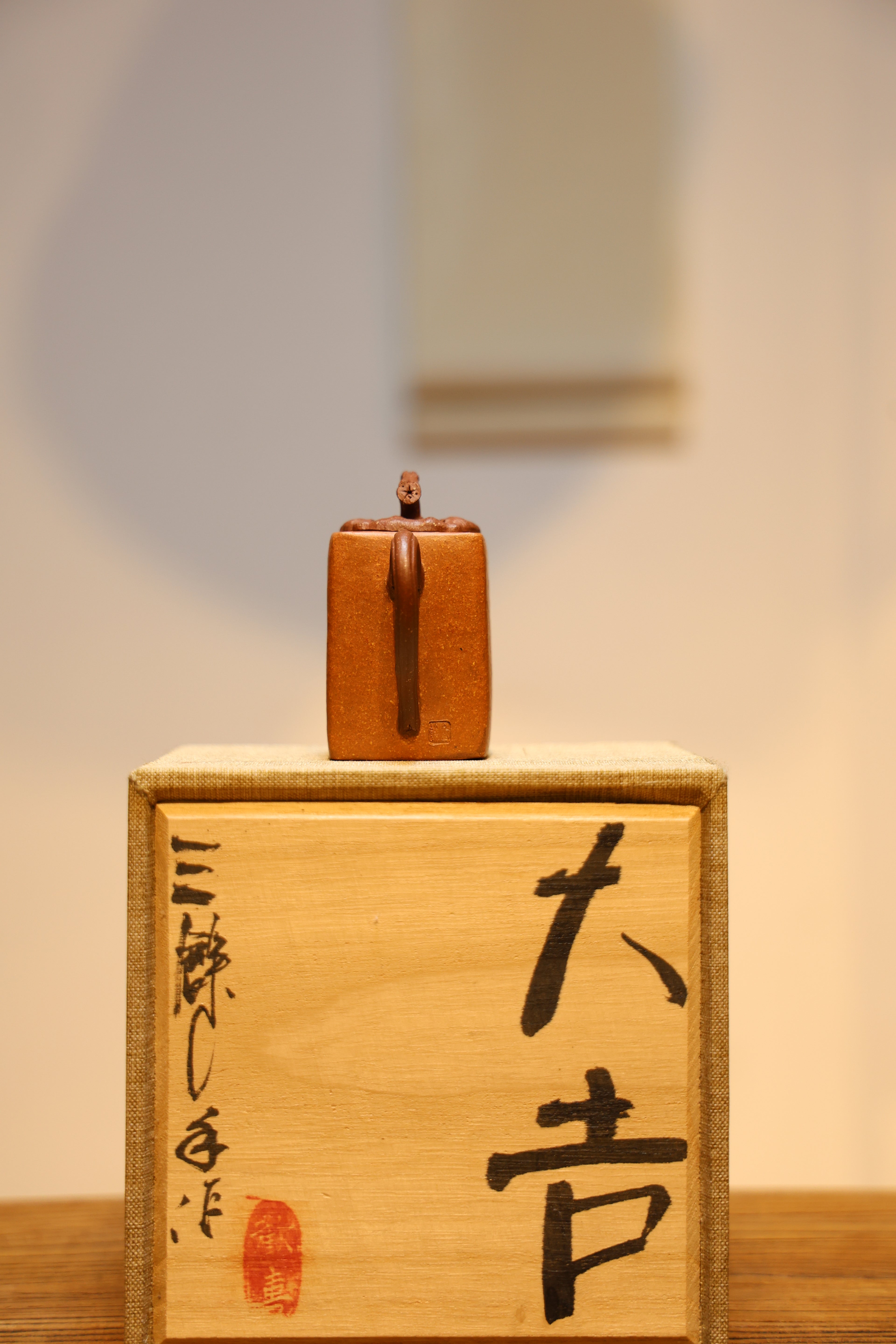
Eras of enthusiasts have long favored the distinctive appeal of Yixing Zisha pots. Rooted in the picturesque town of Yixing, the nation, these pots are fabricated from a exotic and recovered purple clay esteemed for its superior thermal features and capacity to enhance the note of concoctions. Exceeding their useful merit, Zisha teapots manifest a solid heritage legacy, rendering them markedly coveted and a authentic treasure for any committed teapot aficionado.
Delving into Yixing Pitchers
Historical teapots showcase a remarkable unification of history and traditional craftsmanship. Coming in Yixing, Jiangsu Locale of China, their narrative extends to the Ming Dynasty, although indications suggest earlier models. The distinctive purple clay, called Zisha, found particularly in the Yixing region, is the essential component, contributing to the pots' impressive heat holding and the manner they impact the character of tea. Periods of potters have polished techniques—often bestowed through families—including modeling the clay, applying decorative embellishments, and firing the pots at exact temperatures.- At first, Yixing teapots were often decorated with simple designs.
- In due course, more intricate carvings and graphic motifs became favored.
- The kiln firing itself is a vital element, requiring extensive periods of competence.
Accumulating Zisha Teapots: Key Aspects
Setting out on a search to accumulate Zisha teapots can be enjoyable, but it’s imperative to grasp what to inspect. Authenticity is paramount; focus on the potter’s natural shade, a subtle reddish-brown is characteristic. Examine the consistency; genuine Zisha has a characteristic tactile sensation, often characterized as slightly bumpy. The design should be attractive and consistent with conventional styles, while maker’s marks, if present, require precise examination for veracity. Don’t delay to consult with expert connoisseurs or dependable references – their perception is immeasurable.
Renowned Vessels: Discovering the Culture of famous Ceramics
Ages have seen Yixing Zisha Clay teapots retain a distinguished role in Chinese arts. These beautifully crafted pots, sourced uniquely from the locality of Yixing, are acclaimed for their characteristic pigmentation, composition, and their ability to improve Purple Clay Teapot the flavor of brews. Several collectors pursue antique Yixing teapots, appreciating them deeply not only for their aesthetic loveliness, but also for the heritage they express.
Yixing Zisha Teapots: A Finest Varieties and Their Features
Purple Clay teapots, coming from the Yixing area of Yixing, China, are celebrated for their remarkable clay and first-rate brewing characteristics. In the diverse Zisha types, specific categories that are highly prized include Binzhou Purple Sand. Binzhou, known for its bold purple shade and sleek texture, delivers a moderate flavor. Duan Ni form, recognizable by its coppery color and a little grainy feel, is thought to enhance a heft. Lastly, Zhuni faction boasts an scarce crimson tone and can offer a agreeable nuance. Each class presents a distinct experience, affording them exceptionally desirable for tea enthusiasts.
Understanding Personal Zisha Cup
To realize the beauty of your Yixing teapot, familiarizing oneself with the correct system is key. These clay pitchers, celebrated for their filtering ability, will slowly accept the core of the tea you steep within them. Begin by purifying the pot thoroughly with hot water. Then, use only fine broken leaf tea, as lower quality options can spoil the teapot’s delicate taste. Always enable the leaves to unfurl completely, and remember that with each application, your Yixing pot will become perpetually special.
Protecting Your Invaluable Zisha Treasure
Proper upkeep for your Zisha teapot is crucial to maintaining its durability and worth. Zisha clay, acclaimed for its unique coloration and makeup, requires gentle handling. Never use caustic detergents, as these can injure the covering. After every infusion, rinse the pitcher with lukewarm water and allow it to evacuate moisture completely.
- Avoid soaking the pot for extended lengths.
- Regularly use a soft polishing cloth to wipe the exterior.
- Reflect on applying a thin layer of food-grade balm inside the kettle after drying, which can curb staining.
Getting Started with Yixing Kettles
Yixing teapots, originating from the Yixing locale in Jiangsu Province, the Chinese territory, are celebrated for their distinctive qualities. Produced from the unique purple material known as Zisha, these pitchers are prized by infusion enthusiasts worldwide. This primer will plainly explain the principles – covering forms of Zisha composite, prevailing shapes, and important care recommendations. Understanding the foundation of Yixing jars can enhance your appreciation for this traditional example of Oriental craftsmanship.
Trade of Asian Teapots: Concentrating on Zisha found in this city of Yixing
Zisha substance from Yixing represents the height of Yuan vessel design, showing a exclusive amalgamation of raw beauty and valuable artistry. These famous pieces are honored for their saturated tints, often ranging from deep purples and rust hues to subtle greys and delicate beiges. The specific mineral composition of the regional Zisha earth imparts a typical texture and produces a pleasing aroma that enhances the comprehensive extract experience, affording them notably admired collectibles and indispensable components of any serious practice.