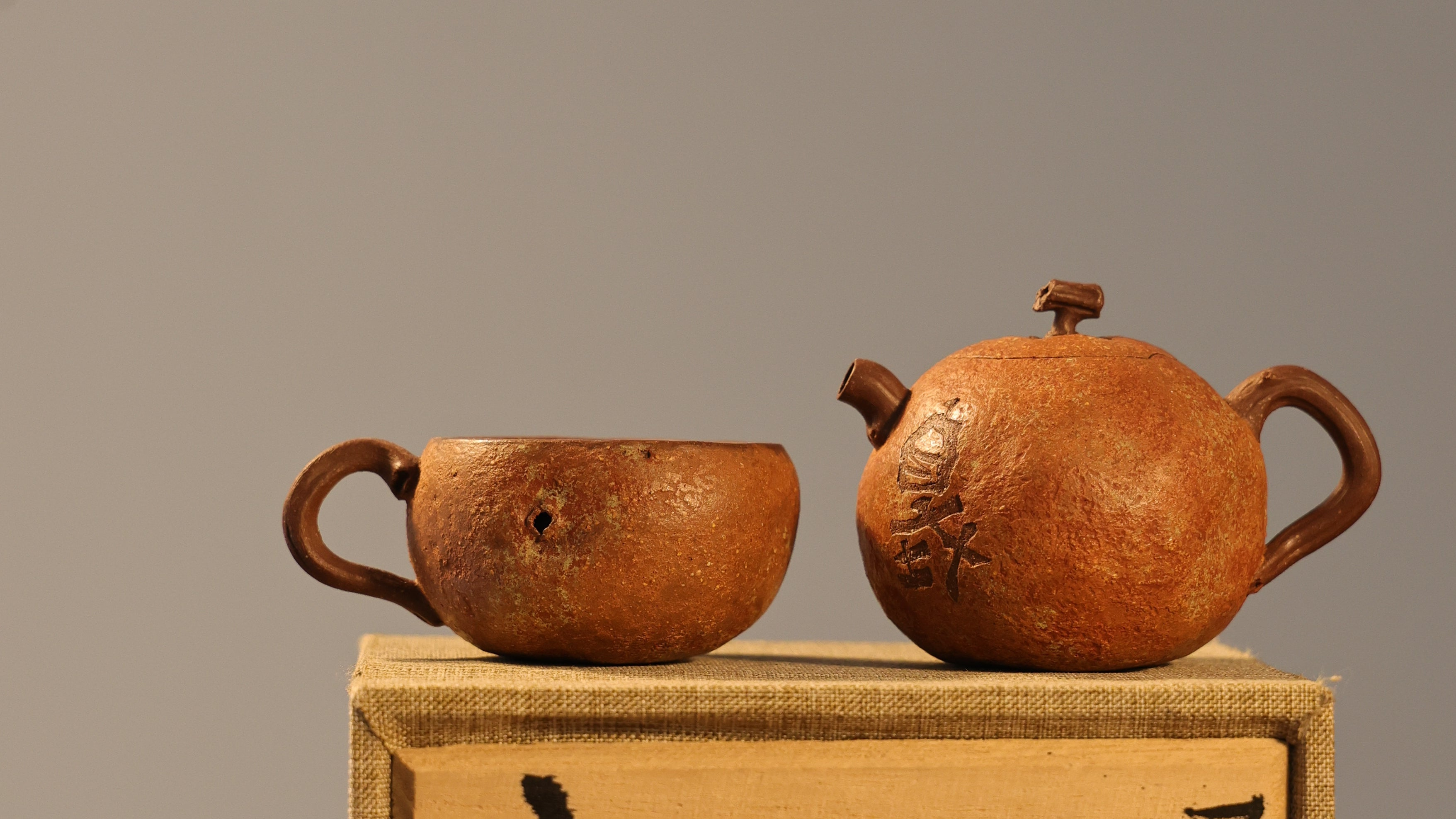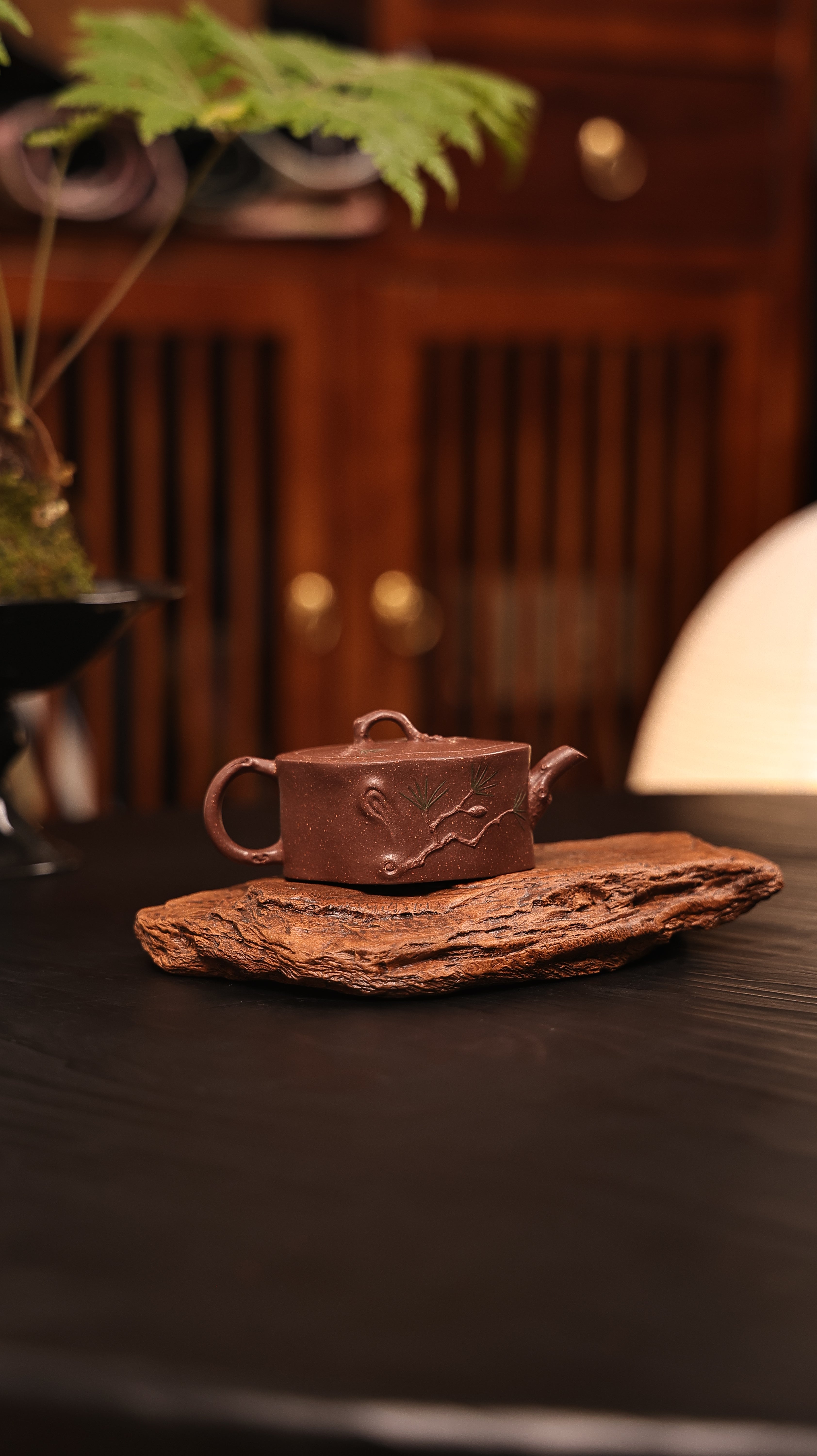
Generations in enthusiasts have long favored the special attraction of Yixing Zisha vessels. Originating in the small town of Yixing, the republic, these teapots are made from a rare and collected purple clay acknowledged for its notable thermal traits and tendency to improve the flavor of extracts. Outside of their effective importance, Zisha teapots symbolize a lasting customary inheritance, designating them notably cherished and a authentic masterwork for any enthusiastic teapot appreciator.
Delving into Yixing Pitchers
Historical teapots showcase a noteworthy unification of history and masterful craftsmanship. Coming in Yixing, Jiangsu Locale of China, their narrative extends to the Ming Dynasty, although indications suggest earlier examples. The exclusive purplish clay, called Zisha, found just in the Yixing region, is the crucial component, contributing to the pots' superior heat conservation and the manner they affect the quality of tea. Lineages of potters have perfected techniques—often conveyed through families—including shaping the clay, applying exquisite embellishments, and firing the pots at specific temperatures.- Earlier, Yixing teapots were often embellished with simple designs.
- Down the line, more elaborate carvings and figurative motifs became accepted.
- The heat treatment itself is a key element, requiring prolonged intervals of experience.
Collecting Zisha Teapots: Vital Checkpoints
Initiating a campaign to acquire Zisha containers can be rewarding, but it’s vital to discern what to look for. Authenticity is essential; focus on the earth’s natural cast, a subtle reddish-brown is characteristic. Examine the consistency; genuine Zisha has a distinctive tactile sensation, often explained as slightly unequal. The form should be harmonious and consistent with established styles, while marks, if present, require close examination for truthfulness. Don’t shy away to consult with knowledgeable enthusiasts or credible materials – their knowledge is indispensable.
Eastern Pots: Delving into the Custom of authentic Purple Ware
Millennia have seen Yixing Zisha teapots hold a significant role in Chinese legacy. These skillfully produced pots, sourced solely from the territory of Yixing, are noted for their identifiable tint, quality, and their ability to enrich the profile of tea. Many collectors desire antique Yixing teapots, prizing them immensely not only for their aesthetic beauty, but also for the story they reflect.
Yixing Zisha Teapots: Distinguished Choice Sorts and Their Details
Yixing Ceramics teapots, developed in the celebrated section of Yixing, the state, are acclaimed for their exclusive clay and remarkable brewing skills. Amid the multiple Zisha types, selected types that are highly esteemed include Zhuni. Binzhou, known for its dark purple shade and polished texture, delivers a light flavor. Duan Ni species, recognizable by its auburn color and a little grainy feel, is said to enhance tea’s heft. Lastly, Zhuni sort boasts an scarce scarlet tone and can impart a savory nuance. Each sort delivers a different experience, facilitating them notably desirable with beverage enthusiasts.
Perfecting Unique Clay Kettle
To tap into the power of your Yixing vessel, knowing the correct way is crucial. These clay pots, celebrated for their passability, will steadily take on the quality of the tea you make within them. Begin by rinsing the pitcher thoroughly with clean water. Then, use only select natural leaf tea, as lower quality options can ruin the item’s delicate aroma. Always give the leaves to spread completely, and remember that with each use, your Yixing pitcher will become increasingly esteemed.
Safeguarding Your Exceptional Zisha Piece
Proper management for your Zisha pot is fundamental to protecting its integrity and importance. Zisha clay, respected for its unique pigmentation and surface, requires specific handling. Never use corrosive cleaners, as these can spoil the finish. After Purple Clay Teapot every application, rinse the teapot with mild water and allow it to cool off completely.
- Do not soaking the pitcher for extended times.
- Intermittently use a soft wiping cloth to polish the exterior.
- Evaluate applying a thin layer of food-grade vegetable oil inside the pot after drying, which can limit staining.
Essentials of Yixing Pots
Yixing clay pots, originating from the Yixing district in Jiangsu Province, China, are celebrated for their distinctive attributes. Created from the unique purple substance known as Zisha, these pots are prized by infusion enthusiasts worldwide. This primer will plainly explain the fundamentals – covering kinds of Zisha dirt, favored shapes, and essential care advice. Understanding the heritage of Yixing earthenware can expand your appreciation for this celebrated example of Asian artistry.
Expertise of Oriental Kettles: Presenting Zisha sourced from the Yixing area
Zisha soil from this city of Yixing represents the culmination of Asian teapot design, boasting a distinctive mixture of organic beauty and operational artistry. These notable pieces are noted for their profound complexions, often stretching over bold purples and mahogany hues to pale greys and faint beiges. The noted mineral composition of the exclusive-to-the-area Zisha substrate imparts a distinctive texture and furnishes a pleasant aroma that heightens the whole drink experience, resulting in them greatly coveted collectibles and critical components of any serious brew.