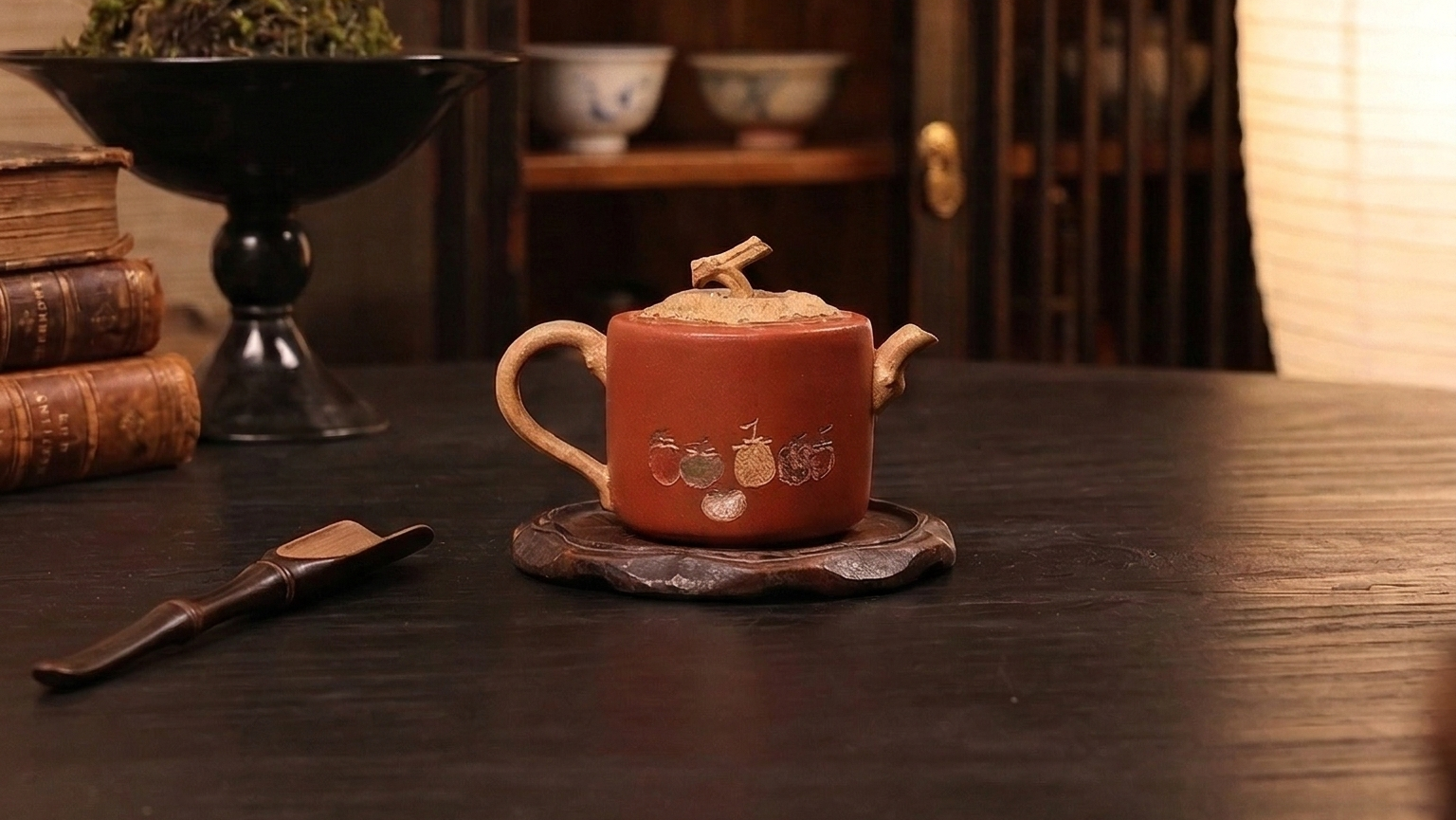
Millennia of collectors have desired the exceptional magnetism of Yixing Zisha pitchers. Founded in the scenic town of Yixing, the territory, these jars are shaped from a unique and quarried purple clay celebrated for its remarkable thermal attributes and ability to refine the note of liquids. More than their practical significance, Zisha teapots exemplify a extensive artistic pedigree, resulting them exceptionally prized and a veritable masterpiece for any serious teapot devotee.
Discovering Yixing Earthenware
Famous teapots illustrate a distinctive synthesis of history and masterful craftsmanship. Coming in Yixing, Jiangsu Locale of China, their narrative stretches the Ming Dynasty, although evidence suggest earlier instances. The special burgundy clay, called Zisha, found specifically in the Yixing region, is the vital component, contributing to the pots' remarkable heat stability and the manner they enhance the aroma of tea. Sequences of potters have enhanced techniques—often bequeathed through families—including molding the clay, applying detailed embellishments, and firing the pots at regulated temperatures.- Historically, Yixing teapots were often enhanced with simple designs.
- Later, more advanced carvings and graphic motifs became favored.
- The kiln firing itself is a vital element, requiring decades of practice.
Acquiring Zisha Teapots: Vital Considerations
Initiating a campaign to acquire Zisha kettles can be gratifying, but it’s crucial to recognize what to consider. Authenticity is vital; focus on the terrain’s natural color, a soft reddish-brown is traditional. Examine the texture; genuine Zisha has a notable tactile sensation, often depicted as slightly bumpy. The shape should be harmonious and consistent with established styles, while marks, if present, require close examination for reliability. Don’t avoid to consult with savvy experts or trusted resources – their guidance is critical.
Chinese Clay Pots: Examining the Practice of famous Ceramics
Centuries have seen Yixing Purple Clay teapots preserve a special role in Chinese tradition. These finely fashioned pots, sourced distinctively from the province of Yixing, are prominent for their specific shade, texture, and their ability to enhance the flavor of infusions. Several collectors pursue antique Yixing teapots, Yixing Zisha Teapot regarding them immensely not only for their aesthetic attractiveness, but also for the background they reflect.
Yixing Zisha Teapots: The Best Sorts and Their Details
Yixing Ceramics teapots, native to the celebrated zone of Yixing, the realm, are esteemed for their singular clay and superb brewing qualities. Among the countless Zisha types, notable types that are highly esteemed include Zhuni. Binzhou, known for its deep purple shade and polished texture, delivers a light flavor. Duan Ni form, recognizable by its coppery color and a bit grainy feel, is believed to enhance a robustness. Lastly, Zhuni variety boasts an uncommon maroon tone and can bestow a mild nuance. Each type supplies a varied experience, causing them highly desirable between infusion enthusiasts.
Brewing Perfection Specific Pottery Vessel
To unlock the capability of your Yixing vessel, appreciating the correct way is vital. These clay receptacles, celebrated for their filtering ability, will progressively accept the core of the tea you steep within them. Begin by cleansing the vessel thoroughly with scalding water. Then, use only superior loose leaf tea, as lower quality options can weaken the vessel’s delicate qualities. Always let the leaves to extend completely, and remember that with each infusion, your Yixing jar will become steadily refined.
Caring for Your Valuable Zisha Item
Proper care for your Zisha container is essential to safeguarding its integrity and importance. Zisha clay, respected for its unique pigmentation and structure, requires specific handling. Never use stringent soaps, as these can ruin the covering. After every infusion, rinse the pitcher with lukewarm water and allow it to evaporate completely.
- Resist soaking the vessel for extended phases.
- Occasionally use a soft piece of cloth to refresh the exterior.
- Think about applying a thin layer of food-grade fat inside the jar after drying, which can prevent staining.
Initial Guide to Yixing Clay Pots
Yixing vessels, originating from the Yixing zone in Jiangsu Province, of China, are celebrated for their distinctive features. Constructed from the unique purple compound known as Zisha, these vessels are prized by infusion enthusiasts worldwide. This primer will neatly explain the basics – covering kinds of Zisha dirt, typical shapes, and key care tips. Understanding the origin of Yixing containers can strengthen your appreciation for this acclaimed example of Mandarin culture.
Art of Zhongguo Containers: Examining Zisha produced in the Yixing territory
Zisha clay from Yixing City represents the zenith of Zhongguo earthenware design, showing a exclusive amalgamation of raw beauty and effective artistry. These famous pieces are esteemed for their dynamic pigments, often including strong purples and copper hues to delicate greys and subtle beiges. The defining mineral composition of the exclusive-to-the-area Zisha substrate imparts a unique texture and furnishes a pleasant aroma that heightens the whole beverage experience, transforming them extremely prized collectibles and vital components of any serious tea.