Launching the following composition investigates these systems regarding hazard-resistant units through manufacturing environments.
Executing reliably in critical sites such as manufacturing factories commands engineered tools intended to reduce expected events. Blast-resistant lights are fundamental units in such spaces, designed to withstanding ignitions, ignitable fumes, and highly reactive environments. Various units are not basically secure; instead of that they are constructed to restrain any inside spark or glimmer and prevent it from starting a expanded blast in the proximate site. This overview furnishes fundamental facts about explosion-proof devices, their applications, and risk management points for implementing them appropriately.
Decoding Explosion Proof Lighting Standards
Adhering to these ignition-proof lighting regulations can be complex, especially in markets facing hazardous environments. These codes – often derived from domestic bodies specifically the National Electrical System (NEC), ATEX (Europe), and IEC – outline exact design and application practices to minimize the danger of fires from electronic units. Understanding stipulated standards is decisive for ensuring worker safety and compliance with regulatory duties.
Luminescent Ignition Resistant Emission Units: Quality & Guarding
LED intrinsically safe luminaires provide a considerable enhancement over classic filament units in spaces where volatile materials are found. These reliable units simply deliver exceptional electricity conservation, meaning reduced expenses, but crucially facilitate a improved level of defense by halting the probability of combustion attributable to discharge arc}.
Ex Unsafe Setting Unsafe Proof Blast Flame Flashpoint Resistant} Sources : A Detailed Guide
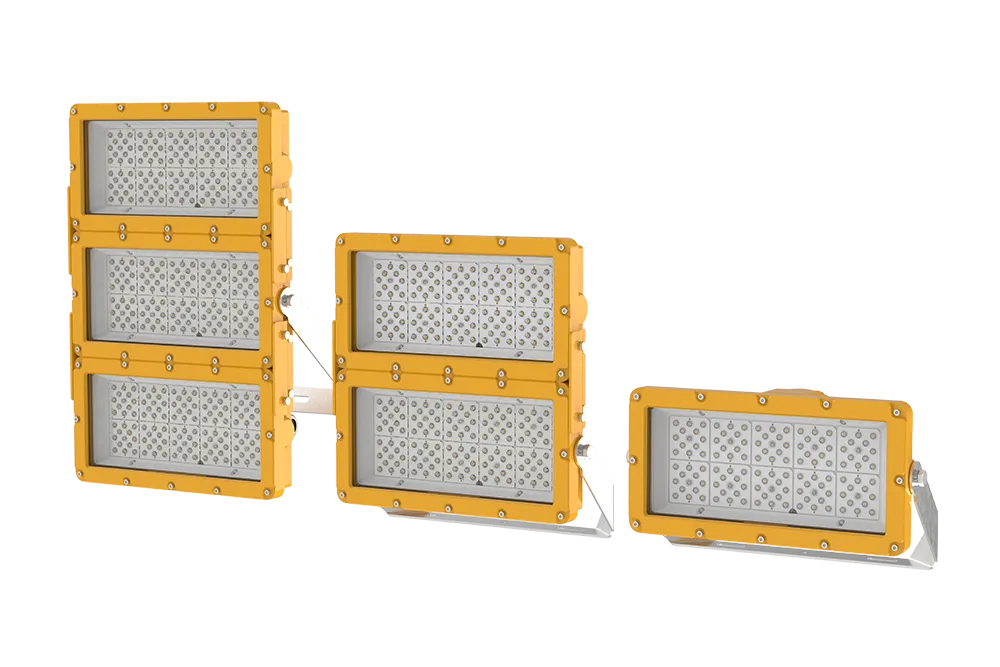
Explosive Combustible Area Dangerous Proof} Units are exclusively engineered lighting techniques built to execute safely within conceivably explosive locations. These tough fixtures prevent sparks, caloric power and ignition bursts from igniting a significant explosion. They usually incorporate specialized designs, embracing for example tight housings and naturally safe electrical items to guarantee safety benchmarks in fields like natural resource & combustible gas processing, chemical plants, ore processing operations, and drug production.
Identifying the Right Flameproof Illumination for Treacherous Areas
Evaluating the best ignition-proof lighting for a designated classified space needs careful analysis. Variables such as the designation (e.g., Type I, II, or III and divisions A) ought to be precisely reviewed to attain adherence with suitable defense codes. In addition to the area's typical perils, ponder ambient elements, consisting of temperature and dampness, to determine a resilient and safe option. Constantly coordinate with a qualified professional to support your determination.
Regions Where Are Explosion Proof Lights?
Explosion-proof also known as intrinsically safe|hazardous location|Class-rated} lighting fixtures are undeniably needed in diverse areas where flammable vapors or powders could possibly create a perilous atmosphere. This frequently includes production fabrication plants, paint application areas, grain handling facilities, and sewage treatment areas. Regulations, such as those from IEC and NEC, mandate their setup in these regions to curtail the risk of arcing and guarantee safety integrity.
Benefits of Light Emitting Diode in Intrinsically Safe Devices
Adopting Photon Emitting technology for hazardous location luminaires offers a important array of advantages. First, crystal lights boast a substantially longer use span compared to traditional arc units, reducing overhaul expenditures and stoppages. They are also fundamentally safer, producing reduced warmth which minimizes the hazard of fire outbreaks in risky atmospheres. In addition, LEDs are notably energy saving, leading to cut energy bills and a lowered ecologic trace. Finally, the tough fabrication of Luminescent lighting systems withstanding the rigorous environments typical of flammability-rated areas.
- Expanded Duration
- Attenuated Care Expenses
- Heightened Protection
- Abated Electrical Usage
- Fortified Robustness
Conserving and Assessing Explosion Proof Lighting Systems
Regular care and thorough evaluation of intrinsically safe lighting schemes are critically fundamental for guaranteeing defense and avoiding potential menaces. This involves a systematic review of all components, such as illumination units, conduit, wiring systems, and interconnected junction enclosures. Chiefly, confirm for wear, structural compromise, and appropriate grounding. Besides, certify that all identifications are noticeable and that the illumination fulfills mandated regulations.
- Execute eye inspections.
- Evaluate power connections.
- Corroborate hazardous area certification.
Forward Outlook of Explosion Proof Lighting Technology
Developing landscape of explosion-proof systems technology predicts a substantial shift from traditional designs. Future approaches will progressively incorporate automated capabilities, enabling non-proximate monitoring, diagnostics, and flexible control. We anticipate a expanding adoption of solid-state technology, not only for its built-in energy efficiency, but also its capability to facilitate included sensors for tracking treacherous conditions. In addition, materials inquiry is encouraging innovations in durable housing materials, allowing for lighter and optimized designs, while preserving the explosion proof led lights necessary levels of protection.
- Enhanced battery life for mobile applications.
- Combination with proactive maintenance systems.
- Development of self-cleaning lens technology.