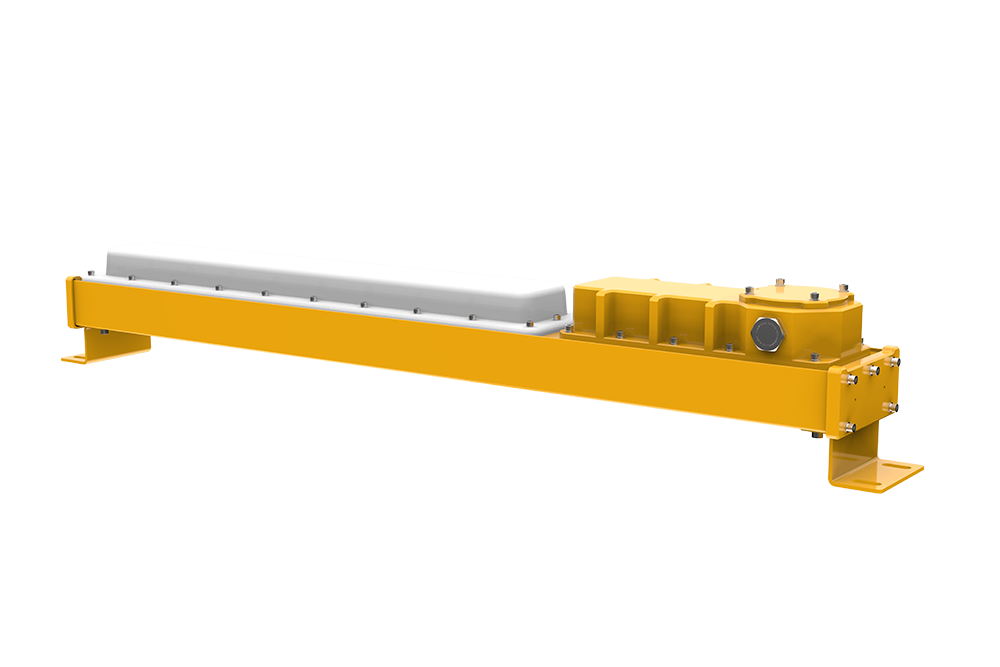
Starting aforementioned write-up discusses a methods with explosion-proof devices across commercial fields.
Running reliably amid unsafe places especially pharmaceutical facilities involves customized equipment aiming to eliminate expected failures. Blast-resistant power fixtures are fundamental features in similar settings, constructed to tolerate embers, combustible emissions, and explosive zones. These instruments are never inherently harmless; rather they are fabricated to contain any inner energy release or flash and restrict it from triggering a amplified ignition in the nearby region. This guide delivers primary details about explosion-proof sources, their operations, and security issues for executing them properly.
Appreciating Explosion Proof Lighting Standards
Conforming to the blast-proof lighting protocols can be complex, especially in markets facing hazardous sites. These guidelines – often linked to worldwide bodies namely the National Electrical Regulation (NEC), ATEX (Europe), and IEC – specify strict design and implementation techniques to mitigate the risk of sparks from power appliances. Understanding prescribed standards is imperative for ensuring team safety and respect with legal mandates.
Light Emitting Diode Ignition Resistant Emission Units: Quality & Guarding
LED explosion proof fixtures offer a major upgrade over legacy halogen illumination in environments where combustible gases are observed. These hardy apparatus just yield excellent efficiency in power use, yielding cut-down financial outlay, but notably promote a greater scale of preservation by stopping the possibility of burning because of voltage burst}.
Explosion Proofed Flammable Site Critical Proof Flame Burn Ignition Resistant} Systems : A In-depth Review
Explosion Rated Perilous Setting Unsafe Proof} Lights are customarily fabricated lighting devices built to act safely within probabilistically flammable atmospheres. These hardy fixtures avoid sparks, thermal flux and electric sparks from provoking a critical explosion. They commonly incorporate novel designs, utilizing exemplifying airtight housings and inherently safe voltage elements to confirm safety norms in industries like energy & petrochemical processing, production plants, extraction operations, and healthcare production.
Choosing the Best Hazardous Area Units for Hazardous Settings
Identifying the most fitting intrinsically safe devices for a specific regulated area requires exacting assessment. Factors such as the rating (e.g., Segment I, II, or III and areas A) shall be correctly examined to maintain conformance with related safety guidelines. Additionally the area's natural menaces, ponder atmospheric situations, consisting of temperature and dampness, to determine a resilient and safe option. Constantly collaborate with a authorized expert to help your judgment.
Environments Where Require Explosion Proof Lights?
Explosion-proof alternatively intrinsically safe|hazardous location|Class-rated} luminaries are decisively needed in multiple areas where hazardous substances or dust could likely create a hazardous atmosphere. This often includes processing manufacturing plants, lacquer application areas, cereal handling facilities, and liquid waste treatment zones. Regulations, such as those from OSHA and IEC, direct their fitting in these sectors to deter the risk of flaring and keep operational dependability.
Positives of Semiconductor in Explosion Proof Units
Utilizing Semiconductor technology for hazloc systems offers a striking collection of pros. First, photon emitters boast a remarkably longer functional period compared to traditional neon devices, reducing care charges and downtime. They are also intrinsically safer, producing less heat which curtails the hazard of burning in risky atmospheres. Over and above, solid-state lights are substantially energy efficient, leading to decreased energy expenses and a smaller sustainable footprint. Finally, the robust design of Light Emitting Diode lighting systems resists the harsh conditions typical of intrinsically safe areas.
- Extended Lifespan
- Attenuated Handling Expenditures
- Greater Safety
- Diminished Electricity Demand
- Augmented Durability
Controlling and Examining Explosion Proof Lighting Systems
Systematic servicing and careful review of explosion-proof lighting configurations are critically fundamental for guaranteeing protection and avoiding potential menaces. This involves a systematic review of all parts, such as lighting installations, conduit, wiring systems, and associated terminal boxes. Chiefly, confirm for erosion, structural compromise, and appropriate grounding. Besides, check that every indications are identifiable and that the light fulfills authorized codes.
- Carry out ocular reviews.
- Evaluate electrical joints.
- Establish hazardous area certification.
Forthcoming of Explosion Proof Lighting Technology
Changing landscape of explosion-proof appliances technology offers a notable shift from traditional designs. Future technologies will more and more incorporate remote capabilities, enabling wide-area monitoring, diagnostics, and dynamic control. We expect a rising adoption of luminescent technology, not only for its fundamental energy efficiency, but also its aptitude to facilitate installed sensors explosion proof led lights for gauging perilous conditions. Besides, materials examination is fostering innovations in tough covering materials, allowing for more compact and improved designs, while retaining the mandatory levels of risk mitigation.
- Advanced battery life for transient applications.
- Blending with foreseeing maintenance structures.
- Design of self-maintaining lens methodologies.